soft fruit · Rosacées
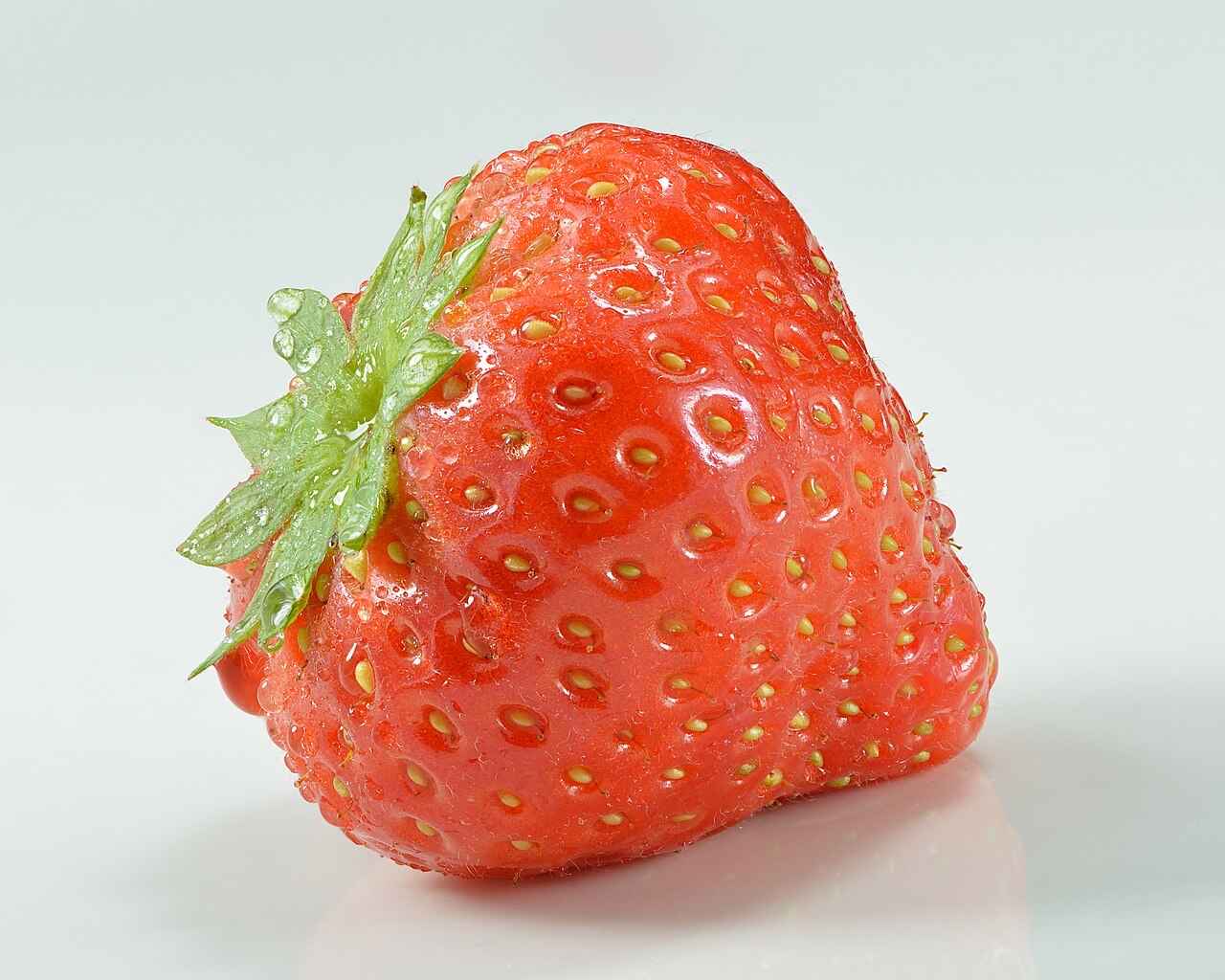
StrawberryFragaria × ananassa
The strawberry remains the first fruit of the family vegetable garden: a few plants on a sunny bed offer fragrant harvests from June, beyond any comparison with the punnets from the shops. Planted at the end of summer, it establishes quickly and produces for three good years without asking for much.
- Difficulty
- Easy
- Exhibition
- Sun
- Watering
- Regular, at the base, without excess; decisive from flowering to harvest
- Floor
- Light, rich in humus, moist but drained, slightly acid to neutral
- Spacing
- 30 cm along the row, 40 to 50 cm between rows
- Harvest
- 8 to 10 months after an August planting (first harvest the following June)
Calendar · Belgian climate
When to sow, plant and harvest
| Activity | Jan | Feb | Mar | Apr | May | Jun | Jul | Aug | Sep | Oct | Nov | Dec |
|---|---|---|---|---|---|---|---|---|---|---|---|---|
| Plantation | yes | yes | yes | yes | ||||||||
| Harvest | yes | yes | yes | yes |
Step by step
1Choosing
Distinguish between the summer-fruiting varieties, which give a single large harvest in June, and the everbearing ones, which produce in waves until the frosts. For flavour, Gariguette and Mara des bois are the benchmarks; for yield, Elsanta and Darselect. Buy certified, healthy plants with a firm crown, or take runners from your own most vigorous plants. Allow about twenty plants for a family.
2Planting
The best period runs from August to mid-September: the plants root before winter and produce fully the following spring. Work a soil enriched with mature compost, form slight ridges if the ground is heavy, then plant every 30 cm leaving the crown exactly at soil level. Water copiously. A mulch of straw or miscanthus laid in spring will keep the fruit clean.
3Caring
Water at the base, without wetting the foliage, especially during flowering and while the fruit swells. Remove runners as soon as they appear, except those you set aside to renew the strawberry bed. After the harvest, cut off the old leaves, tidy the bed and add a little compost. Renew the planting every three or four years on a different spot to avoid soil-borne diseases.
4Harvesting
Pick in the cool of the morning, when the fruit is red right to the tip: the strawberry does not ripen further after picking. Pinch the stalk between thumb and forefinger rather than pulling on the fruit, which bruises easily. Go through every two days in high season, and remove rotten or nibbled fruit so as not to attract slugs and moulds.
5Storing
The strawberry is eaten within 24 to 48 hours, kept cool without washing, in a single layer. To prolong the pleasure, freeze the fruit whole spread out on a tray before bagging, or turn it into jam, coulis and syrup. Everbearing varieties offer the advantage of small, regular harvests, without a glut to deal with.
Further reading
Planting and caring for plants properly
How to plant properly
Choosing the spot
The strawberry wants sun for at least six hours a day, otherwise the fruit stays small and acid. Choose a well-placed bed, airy so the dew dries quickly, but sheltered from the cold winds that scorch the flowers in April. It likes light, humus-rich, slightly acid soils, and suffers in compact clays that stay drowned in winter: there, plant on ridges 15 to 20 cm high. Avoid putting it after potatoes, tomatoes or old strawberry beds, carriers of soil-borne diseases, and wait four years before returning to the same spot.
Preparing the soil
A month before planting, loosen to 25 cm with a broadfork, carefully remove the roots of couch grass and bindweed, impossible to extract later from a strawberry bed, and work in three to four kilos of mature compost or well-rotted manure per square metre. On chalky soil, where the leaves yellow, add a bucket of leaf mould or composted bark per square metre. Rake to get a level surface, or form ridges 60 cm wide separated by paths. Let the soil settle under one or two rains before planting.
Choosing the plant
Buy certified plants, in pots or modules, with a firm crown and good green leaves, rather than dry bare roots. Distinguish between the summer-fruiting varieties, which give a big June harvest, and the everbearing ones, which produce in waves until October: Elsanta, Darselect and Sonata for the first category, Mara des bois and Charlotte for the second, Gariguette for early-season gourmets. About twenty plants feed a family. You can also root in July the runners from your own most productive plants, one or two years old, never from diseased or ageing plants.
Planting at the right season
The best period here runs from 1 August to 15 September: the plants root in warm soil, form their fruit buds in autumn and give fully from the following June. A March-April planting works too, but produces little in the first year. Plant in the evening or in overcast weather, every 30 cm along the row and 40 to 50 cm between rows, in a hole twice the size of the root ball, the roots well spread downwards. The crown must sit exactly at the surface: buried, it rots; exposed, it dries out. Firm, water a litre per plant.
Setting runners properly
To renew the strawberry bed without buying, choose in June two or three vigorous, healthy plants, and leave each of them three or four runners. Guide the first rosette of each runner onto a pot of compost sunk to soil level, pin it down with a wire staple or a stone, and cut the runner beyond it, the following rosettes being less vigorous. Water the pot regularly. In three or four weeks, the rosette is rooted; then sever the link with the mother plant and plant the young plant on a new bed, in early August, like a bought plant.
In a pot, container or hanging basket
The strawberry is happy in a pot, provided the volume is sufficient: a 20 cm pot and 5 litres per plant, a 60 cm window box for three, a container 40 cm deep for about ten. A mix of two thirds potting compost and one third garden compost, clay pebbles at the bottom, full sun, sheltered from wind. Everbearing varieties, Mara des bois or Charlotte, suit better, with their spread-out harvests. A hanging basket keeps slugs away and lets the fruit hang clean. Water almost every day in summer, feed every fortnight, and renew the plants every two years.
Beginner's mistakes
Planting in October or November, too late for rooting, and losing half the plants over winter. Burying the crown or, conversely, leaving the roots exposed to the air. Planting too close, which encourages grey mould in June. Letting all the runners run from the first year, which turns the bed into a sterile carpet within two seasons. Keeping a strawberry bed five or six years, when production collapses from the fourth year. Finally, forgetting the mulch before harvest and picking strawberries full of soil. A new bed every three years, on a different spot, sorts out almost everything.
Look after it properly
Watering at the base, at the right time
The strawberry has shallow roots and quickly suffers from drought, but hates wet foliage, which attracts grey mould. Water at the base or with a porous hose, in the morning, six to eight litres per square metre twice a week without rain, every day in pots. The decisive period runs from flowering to the end of harvest, when lack of water gives small, hard fruit. Then return to a moderate rhythm in August, when next year's buds are forming. Reduce sharply in autumn and do not water in winter, except pots under cover.
Mulching and feeding
At the end of April, before flowering, spread 5 cm of clean straw, miscanthus or flax shives between the plants: the fruit rests dry, stays clean, and slugs move about less on this coarse carpet. Woven black fabric or cardboard work too, but hold moisture under our rain. As for feeding, scratch a handful of compost in at the base of each plant in March and in August, after tidying, and water with comfrey liquid diluted to 10 % at flowering. No excess nitrogen, which gives leaves and runners at the expense of fruit. In pots, a liquid organic feed every fortnight.
Cutting runners, tidying, renewing
From May, cut with secateurs all the runners where they emerge, except those set aside for propagation: each one costs the plant a share of its harvest. After picking, in July for the summer-fruiting varieties, cut the old foliage back to 5 cm above the crown, without injuring it, remove the soiled straw, weed and add compost; the plant makes new leaves within three weeks. A strawberry plant produces well for two or three years, then declines. Every year, plant a third of the bed afresh from runners, on a different spot, and pull up plants more than three years old.
Preventing diseases and pests
Grey mould, botrytis, spoils the fruit in damp weather: space at 30 cm, mulch dry, water at the base in the morning, pick often and remove every affected fruit into a bucket, not onto the ground. Slugs are collected at dusk and trapped under boards; the coarse mulch and raised pots help. Birds, blackbirds above all, are kept off by a fine-mesh net stretched over hoops from the first red fruit, pinned well down to the ground. Powdery mildew whitens the leaves in a dry summer: milk diluted to 10 %. Against the vine weevil, whose larvae gnaw the roots, beneficial nematodes watered in during August are effective.
Through the season
March, removal of dead leaves, compost, first weeding. April, fleece laid over the flowers on nights when frost below 0 °C is forecast, and removed by day for the bees; mulch at the end of April. May, comfrey liquid, cutting runners, net against birds. June-July, harvest, regular watering, removal of rotten fruit. Late July, cutting back the summer-fruiting plants, selecting runners for the next generation. August, planting the new bed, compost. September-October, last everbearing fruit, pulling up old plants. November, a layer of dead leaves between the rows, without covering the crowns.
Harvesting and extending the season
Pick in the morning, when the fruit is red right to the tip, pinching the stalk between thumbnail and forefinger, every two days in high season. To spread the harvest, combine three types: an early one such as Gariguette from the end of May, a mid-season one such as Elsanta in June, and everbearers until October. A low tunnel or cloches placed in March over a row of summer-fruiting plants bring the harvest forward by two to three weeks; a fleece over the everbearers in October extends it by as much. Potted strawberries brought into a cold greenhouse at the end of February give fruit in May.
Obtaining seeds or seedlings
Seeds and seedlings: where to find them
A selection of reputable seed suppliers that deliver to your country, listed in order of proximity. Evadya does not receive any commission: these are suppliers we recommend for their reliability.
Semailles
For Belgian artisan seed producer, organic and reproducible seeds, over 250 regional varieties, a planting calendar tailored to the Belgian climate.
Against Small organisation: limited range of hybrid varieties and possible stock shortages during peak season.
Search for ‘strawberry’ on SemaillesFerme de Sainte Marthe
For A long-established organic seed supplier, offering seeds and young plants, heirloom varieties, and nutrition and recipe guides.
Against Dispatched from the Loire: postage charges to Belgium and Switzerland; plants are fragile in transit.
Search for ‘strawberry’ on Ferme de Sainte MartheVreeken’s Zaden
For A very wide range of Dutch products, competitive prices, and numerous varieties suited to the Benelux climate.
Against Website in Dutch only; limited selection of organic produce.
Search for ‘strawberry’ on Vreeken’s ZadenFrom the vegetable patch to the plate
And then we savour it
What it offers
Rich in vitamin C and fibre, low in calories, the strawberry also provides natural antioxidants.
In the kitchen, it’s simple
A bowl of sliced strawberries, a squeeze of lemon juice, a pinch of sugar and a few leaves of basil or mint: the dessert of June.
Living well
Picking your strawberries in the early morning, barefoot in the dew, is an early-summer ritual that makes peace with the garden.
Also worth a look