leaf vegetable · Amaranthacées
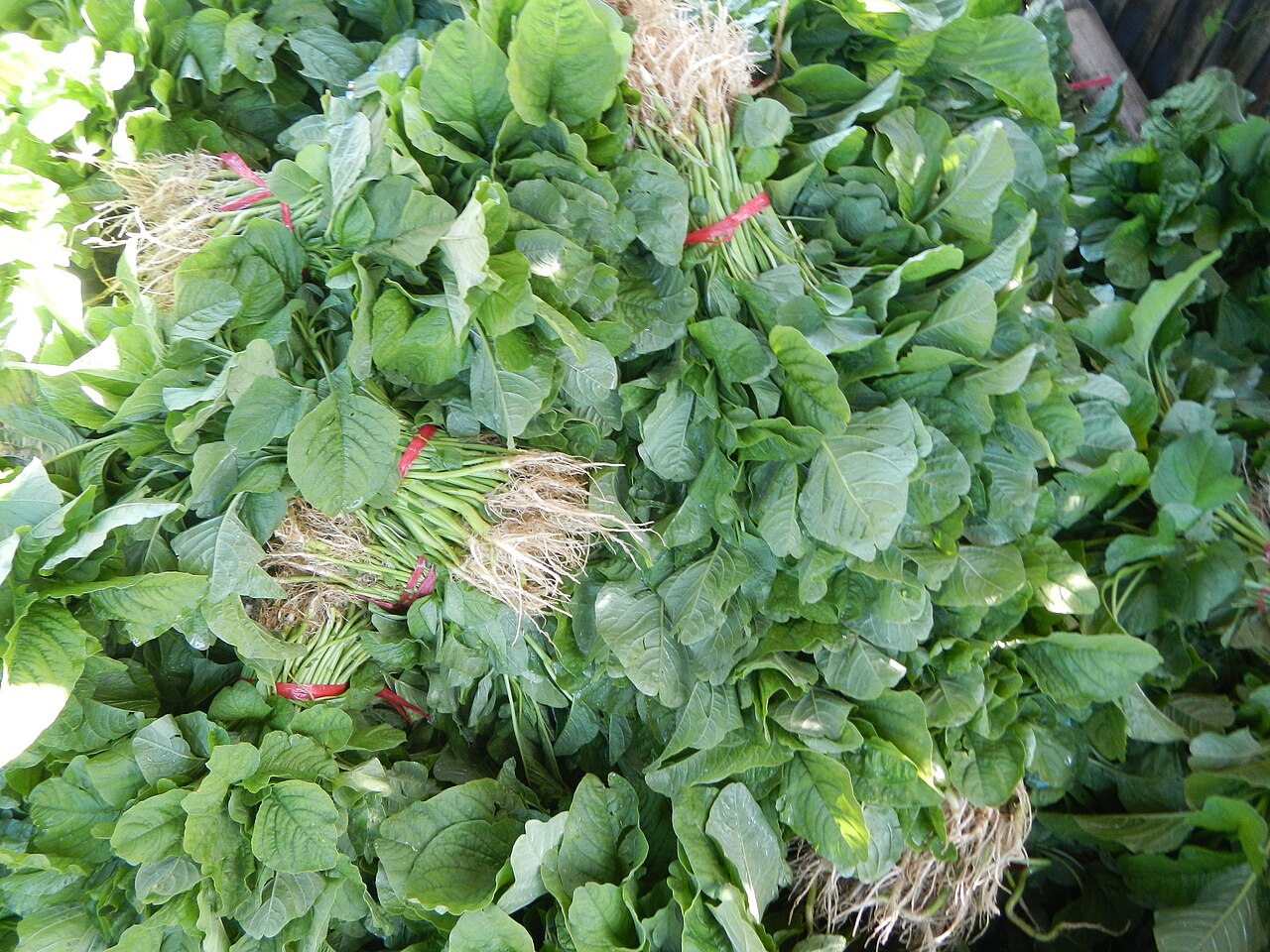
SpinachSpinacia oleracea
Spinach likes cool conditions and grows fast: sown in March or September, it gives tender leaves in six weeks, when the vegetable garden still offers little else. Hardy, it comes through winter under fleece and gets going again from February. Its young shoots eaten raw make salads of great delicacy.
- Difficulty
- Easy
- Exhibition
- Sun in spring and autumn, partial shade in summer
- Watering
- Regular and frequent, soil always moist
- Floor
- Rich in humus, moist, loose, not acid
- Spacing
- 10 to 15 cm along the row, 30 cm between rows
- Harvest
- 40 to 60 days after sowing
Calendar · Belgian climate
When to sow, plant and harvest
| Activity | Jan | Feb | Mar | Apr | May | Jun | Jul | Aug | Sep | Oct | Nov | Dec |
|---|---|---|---|---|---|---|---|---|---|---|---|---|
| Sowing in open ground | yes | yes | yes | yes | yes | |||||||
| Harvest | yes | yes | yes | yes | yes | yes | yes |
Step by step
1Sowing
Sow outdoors from March to April, then from mid-August to October, in moist, rich soil. Draw drills two centimetres deep and thirty centimetres apart, drop a seed every three centimetres, cover and firm. Germination takes one to two weeks. Soaking the seed overnight speeds up germination. Winter varieties, which are hardier, are sown in September-October and overwinter under fleece.
2Planting out
Spinach is sown in place and rarely transplanted; its taproot does not appreciate disturbance and its rapid growth makes the operation pointless. A module sowing under cover in February, planted out in March, does however gain a fortnight in spring, provided you do not break the root ball. Choose a bed well supplied with compost; spinach is hungry for nitrogen and likes to follow a legume such as peas or broad beans.
3Caring
Thin to ten or fifteen centimetres when the seedlings have three or four leaves; the young plants you remove can be eaten in salad. Hoe and mulch to keep the soil moist. Water regularly; spinach bolts as soon as it suffers from thirst or heat. Diluted nettle liquid supports leaf growth. In winter, cover with fleece during hard frosts, without shutting it in during mild weather, to avoid downy mildew.
4Harvesting
Harvest six to eight weeks after sowing, leaf by leaf, picking the largest on the outside and letting the heart produce new growth. You can also cut the whole rosette two centimetres above the soil: it regrows once or twice. Pick in the morning, before the heat, and never let the plant flower. Young leaves are picked tender for salad, large ones for cooking.
5Storing
Spinach wilts quickly: eat it within two days, kept in the fridge in a damp cloth. For winter, wash it, blanch for one minute, squeeze well and freeze in portions: it is the simplest and most faithful method. Cooked, it also keeps for two days in the cold. Reheat it only once. Spring surpluses turn into quiche, pesto or a velvety soup to freeze.
Further reading
Planting and caring for plants properly
How to plant properly
Choosing the spot
Spinach likes coolness: in spring and autumn, give it full sun, which it needs to grow fast in the short days. If you try a late-spring sowing, give it partial shade, to the north of a row of peas or climbing beans, otherwise it runs to flower. It thrives in our deep, moist loams, and tolerates clay soils as long as they do not stay waterlogged. Avoid acid soils, common on sand or in the Ardennes, where it yellows: a light liming the previous autumn settles the matter. Keep it away from beetroot and chard, which share its pests.
Preparing a rich soil
Spinach is a heavy consumer of nitrogen. Two weeks before sowing, spread three to four kilos of well-rotted compost per square metre and work it in to fifteen centimetres with a cultivator. Avoid fresh manure, which loads the leaves with nitrates and attracts slugs. Crumble the surface carefully, remove clods and stones, then firm with the rake. The ideal spot is where peas or broad beans have just been pulled up in July: their roots have left nitrogen behind, and autumn spinach benefits without any further feeding. A compacted or crusted soil greatly hinders germination.
Sowing in spring
Sow as soon as the soil is no longer sticky, from late February under fleece to mid-April outdoors. After the end of April, the risk of bolting becomes very high here. Draw drills two centimetres deep and thirty centimetres apart, drop a seed every three centimetres, cover, firm and water. Soaking the seed overnight in lukewarm water speeds up germination, which takes eight to fifteen days at 8-10 °C. Choose slow-bolting spring varieties, such as Matador or Lazio, and sow twice, three weeks apart.
Sowing in late summer and autumn
The sowing from mid-August to the end of September is the most generous in Belgium: the days are shortening, the heat is fading, bolting is no longer a worry. It gives a first cut in October-November, then a second in March after the winter. Sow as in spring, but a little denser, and shade the drill with a plank until germination if August is hot. Choose hardy winter varieties, Géant d'hiver or Monstrueux de Viroflay, able to hold on under fleece down to minus ten degrees. An October sowing under a tunnel germinates slowly and only produces in March.
Thinning rather than transplanting
Spinach is sown in place and almost never transplanted; its taproot does not like being disturbed. When the seedlings have three or four leaves, thin to ten centimetres for small varieties, fifteen for the giants, pulling the surplus plants in damp weather: they can be eaten in salad. A crowded sowing gives small leaves and a hotbed of downy mildew. If you want to gain a fortnight in spring, sow in soil blocks or module trays under cover in February, two seeds per block, and plant the whole block without breaking it three weeks later.
In pots or containers
Spinach thrives in a window box twenty centimetres deep, filled with potting compost enriched with a third of garden compost. Sow thinly in rows or broadcast, thin to eight centimetres, and place the container in the sun in March and September, in afternoon shade in May. Water every two days; the compost must never dry out. An eighty-centimetre window box provides several cuts of young leaves for salad, which is its most sensible use in a pot. On a sheltered balcony, a September sowing comes through the winter and gets going again from February, a fortnight ahead of the garden.
Beginner's mistakes
Sowing in May or June is the classic mistake: spinach bolts in a few days, before it has even given a decent leaf. Sowing too densely without thinning produces drawn, diseased plants. Letting the soil dry out between waterings also triggers flowering. Sowing in poor or acid soil gives small yellow leaves. Many forget that germination is slow in March and resow on top, creating a tangle. Finally, leaving the fleece closed in mild winter weather traps moisture and rots the rosettes: ventilate whenever it is not freezing.
Look after it properly
Watering without letting it dry out
Spinach responds to the slightest drought by bolting. In spring, water as soon as the surface dries, twice a week in April, every two days in hot weather, in the morning, with a fine spray over the rows. Allow five litres per square metre. In autumn, rain is generally enough from October. In winter, do not water, except under a closed tunnel, where a light watering every fortnight in mild weather prevents drying out. Do not wet the leaves in the evening: spinach downy mildew, very common in our damp autumns, settles on leaves that stay wet overnight.
Mulching and feeding
After thinning, mulch between the rows with two centimetres of dried grass clippings or hemp to keep the soil cool and stop soil splashing onto the leaves. Do not mulch late autumn sowings, whose soil must stay warm. If the leaves pale or growth stalls, water with nettle liquid diluted to 10 %, once a fortnight, at the base. Do not overdo it: too much nitrogen raises the nitrate content of the leaves. In soil properly composted before sowing, spring spinach needs no further feeding.
Thinning, hoeing and cutting
Hoe lightly between the rows after every rain until the mulch is laid, to break the crust and let air in. Remove weeds by hand along the row; young spinach copes badly with competition. A second thinning to fifteen centimetres, a month after sowing, gives the finest leaves. As soon as a central stem lengthens at the heart of the rosette, the sign of bolting, cut the whole plant two centimetres above the soil: the regrowth is modest, but the leaves stay good for a week or two before turning tough and bitter.
Preventing downy mildew, leaf miner and slugs
Spinach downy mildew, yellow patches on top and a purplish-grey felt underneath, appears in mild, damp weather. Sow thinly, thin, ventilate fleeces, water in the morning and choose varieties resistant to the recent strains, as stated on the packets. The beet leaf miner bores pale galleries in the leaves from April to September: fine insect-proof mesh, laid from emergence, is enough to keep it off; remove mined leaves. Slugs attack the seedlings: evening hunts, ash in dry weather, trap planks. Pigeons and rabbits are dealt with by netting or fleece.
Through the season
In February, ventilate the fleece over winter spinach and take a first cut as soon as the leaves get going. In March-April, sow twice, water, thin, lay mesh against the leaf miner. In May-June, harvest everything that is ready before the heat, cut the rosettes that bolt, then free the bed for beans. In July, do not sow, except New Zealand spinach or orache, which stand in for spinach in summer. From mid-August, sow the autumn and winter varieties. In October-November, harvest and lay an overwintering fleece. In December-January, leave it to rest under fleece.
Harvesting and extending the season
Pick six to eight weeks after sowing, taking the outer leaves one by one, by hand or with scissors, without tearing out the heart that produces the next flush. A complete cut two centimetres above the soil gives a single regrowth. Harvest in the morning, when the leaves are turgid, and never after a frost without letting them thaw. To extend the season, stagger three sowings in spring and two in late summer, and protect the winter rows with fleece over hoops, ventilated in mild weather. The autumn plants thus provide from November to December, then from March to mid-May, without sowing anything in between.
Obtaining seeds or seedlings
Seeds and seedlings: where to find them
A selection of reputable seed suppliers that deliver to your country, listed in order of proximity. Evadya does not receive any commission: these are suppliers we recommend for their reliability.
Semailles
For Belgian artisan seed producer, organic and reproducible seeds, over 250 regional varieties, a planting calendar tailored to the Belgian climate.
Against Small organisation: limited range of hybrid varieties and possible stock shortages during peak season.
Search for ‘spinach’ on SemaillesKokopelli
For Europe’s largest collection of heirloom, organic and open-pollinated varieties; comprehensive growing guides.
Against No hybrids or seedlings; delivery times can sometimes be long during peak season; prices are slightly higher.
View the shopFerme de Sainte Marthe
For A long-established organic seed supplier, offering seeds and young plants, heirloom varieties, and nutrition and recipe guides.
Against Dispatched from the Loire: postage charges to Belgium and Switzerland; plants are fragile in transit.
Search for ‘spinach’ on Ferme de Sainte MartheGraines Baumaux
For A vast selection (over 500 tomato varieties), with high-yielding F1 hybrids and heirloom varieties side by side, and plants available in season.
Against Not much organic produce; an old site; catalogue entries rather than growing guides.
Search for ‘spinach’ on Graines BaumauxVreeken’s Zaden
For A very wide range of Dutch products, competitive prices, and numerous varieties suited to the Benelux climate.
Against Website in Dutch only; limited selection of organic produce.
Search for ‘spinach’ on Vreeken’s ZadenDe Bolster
For Dutch organic seed producer, seeds suitable for propagation, a good selection for cool climates.
Against A shorter catalogue; website in Dutch.
Search for ‘spinach’ on De BolsterZollinger Bio
For Swiss organic seeds, varieties suited to high altitudes and microclimates, and a unique phenological calendar.
Against Swiss prices and customs charges from the European Union.
Search for ‘spinach’ on Zollinger BioBingenheimer Saatgut
For A leading German name in organic and biodynamic produce, offering open-pollinated varieties selected for the home gardener.
Against Website in German; delivery charges apply outside Germany.
Search for ‘spinach’ on Bingenheimer SaatgutDreschflegel
For A collective of organic growers, specialising in rare and regional varieties, and the preservation of traditional farm seeds.
Against Small quantities; a catalogue that’s more activist than practical; website in German.
Search for ‘spinach’ on DreschflegelFrom the vegetable patch to the plate
And then we savour it
What it offers
Spinach provides vitamin K, folate (vitamin B9), magnesium and provitamin A, with fibre and very few calories. Raw, it keeps more of its vitamin C.
In the kitchen, it’s simple
April's young shoots are eaten raw with walnuts, a soft-boiled egg and a cider vinegar dressing; the large leaves collapse in thirty seconds in the pan with garlic.
Living well
The first salad of young spinach, in March, when the rest of the vegetable garden is still asleep, is a small victory over winter.
Also worth a look
Other vegetables
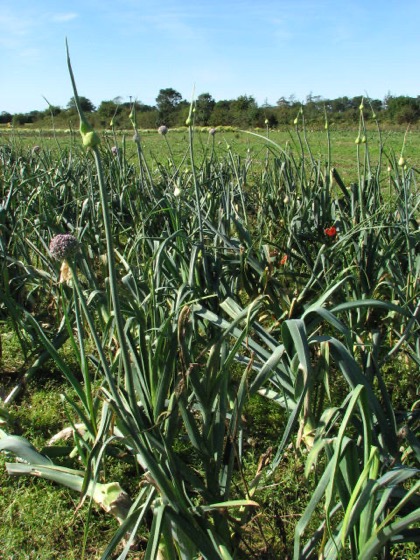
Leek
Allium porrum
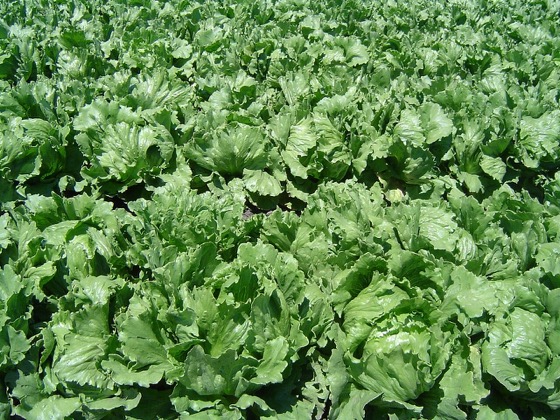
Lettuce
Lactuca sativa
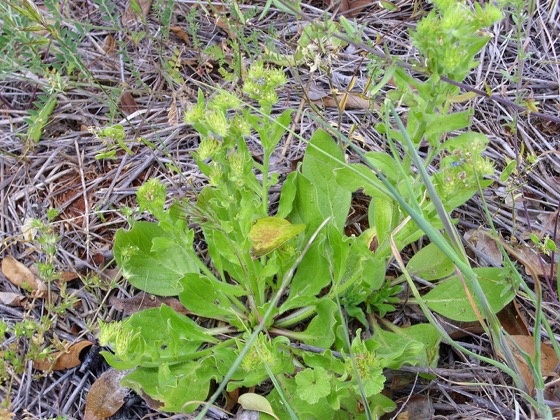
Lamb's lettuce (corn salad)
Valerianella locusta
Rocket
Eruca vesicaria subsp. sativa