tuber · Solanacées
PotatoSolanum tuberosum
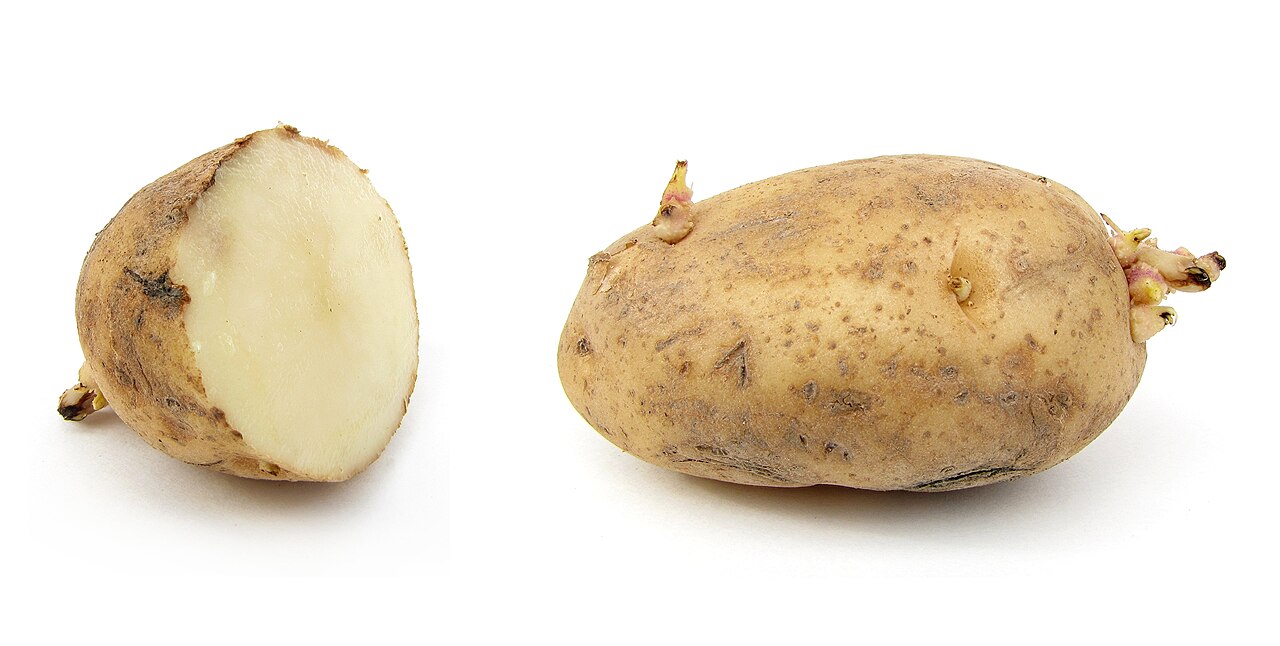
A pillar of Belgian cooking, the home-grown potato surprises with its flavours: a thin-skinned early, steamed, has nothing in common with a bag from the supermarket. It cleans the soil, grows almost anywhere and above all calls for vigilance against blight.
- Difficulty
- Intermediate
- Exhibition
- Full sun
- Watering
- Moderate, regular while the tubers form, at the base
- Floor
- Loose, deep, rich in humus, non-chalky, well drained
- Spacing
- 35 cm along the row, 70 cm between rows
- Harvest
- 70 days for earlies, 120 to 150 days for maincrop varieties
Calendar · Belgian climate
When to sow, plant and harvest
| Activity | Jan | Feb | Mar | Apr | May | Jun | Jul | Aug | Sep | Oct | Nov | Dec |
|---|---|---|---|---|---|---|---|---|---|---|---|---|
| Plantation | yes | yes | yes | |||||||||
| Harvest | yes | yes | yes | yes | yes |
Step by step
1Sowing
The potato is not sown but planted from certified tubers, known as seed potatoes. From February, chit them by setting them out in crates, eyes upwards, in a cool, bright, frost-free room at around 10 °C. In four to six weeks they form short, stubby, purplish sprouts, the sign of a good start. Discard the long white sprouts that appear in darkness and warmth.
2Planting
Plant earlies from mid-March under fleece, the others in April, when the soil reaches 8 to 10 °C and the lilac is in flower. Dig trenches ten centimetres deep, seventy centimetres apart, and set a seed potato every thirty-five centimetres, sprouts upwards, without breaking them. Cover with fine soil. A layer of mature compost in the bottom of the trench is enough; fresh manure encourages scab.
3Caring
When the haulms reach twenty centimetres, earth them up by drawing soil around the stems, and repeat three weeks later: earthing up increases the harvest and protects the tubers from light, which turns them green. A thick mulch can replace the second earthing up. Water only in drought, especially at flowering. Watch for blight from June and spray horsetail decoction in damp weather.
4Harvesting
Earlies are harvested from June, when the plant flowers, by gently lifting a plant with a garden fork. For maincrop varieties, wait until the haulms have yellowed completely, from August to October, and lift in dry weather. Cut the haulms off two weeks beforehand if blight attacks them, so the spores do not contaminate the tubers. Let the potatoes dry on the ground for a few hours before bringing them in.
5Storing
Earlies are eaten within the week. Maincrop varieties are stored in crates or hessian sacks, in a dark, cool (4 to 8 °C) and airy cellar, after careful sorting: a single damaged tuber can contaminate the others. Check the stock every month and rub off the sprouts. Never keep potatoes in the fridge or in the light; they turn green and become unfit to eat.
Further reading
Planting and caring for plants properly
How to plant properly
Choosing the spot
The potato wants full sun and air: a well-ventilated row dries quickly after rain, which delays blight. Avoid damp hollows and enclosed corners where the morning mist lingers. It is ideal for opening up a new plot or an old lawn, as its earthing up and dense foliage smother weeds. Keep it away from tomatoes, which share blight, and do not replant it in the same place for four years, rotation being the only real defence against Colorado beetles and nematodes. A row of broad beans or French beans alongside suits it very well.
Preparing the soil
Soil that is loose to thirty centimetres, rich in humus and on the acidic side makes the best potatoes. In autumn, spread three to four kilos of mature compost per square metre or well-rotted manure, and loosen with a broadfork. Never add fresh manure or lime in spring: they encourage scab, those corky crusts on the skin. In clay soil, growing on ridges or under a thick hay mulch, without digging, avoids compaction and makes harvesting easier. Remove stones and couch grass roots, which pierce the tubers.
Choosing and chitting seed potatoes
Buy certified seed potatoes, 28 to 35 millimetres in size, rather than cooking potatoes, which are often treated against sprouting and carry viruses. Choose according to use: an early such as Charlotte or Nicola to eat from June, a blight-robust variety such as Sarpo Mira or Alouette for storing. Allow two and a half kilos for ten metres of row. From mid-February, set them to chit in a crate in a bright room at 10 °C: within five weeks, short purplish sprouts appear. A chitted seed potato comes up ten days earlier and stands a better chance of escaping July blight.
Planting
Plant earlies around 15 March under fleece and the other varieties from 1 to 25 April, when the soil reaches 8 to 10 °C and the lilac is about to flower; a late frost blackens the haulms but the plant grows back. Dig trenches ten to fifteen centimetres deep, seventy centimetres apart, set a seed potato every thirty-five centimetres, sprouts upwards, without breaking them, and cover with ten centimetres of fine soil. In the no-dig method, lay the seed potatoes on the soil and cover with twenty centimetres of hay: the tubers form under the mulch and are gathered by hand.
In pots or containers
The potato grows happily in a grow bag, a large bin with holes in it or a container of at least forty litres. Put in fifteen centimetres of a compost-and-soil mix, set two or three chitted seed potatoes on it, cover with ten centimetres, then add more compost as the haulms grow, right up to the top of the container: this is earthing up in a pot. Choose an early, which is quicker, and place the container in the sun. Water regularly, as the compost dries out fast, without ever waterlogging. Expect one to two kilos per container, harvested by simply tipping the whole lot onto a tarpaulin in June or July.
Beginner's mistakes
Planting unchitted tubers in March in cold soil, where they rot or come up in May. Using shop-bought potatoes, which do not sprout or bring in viruses. Liming or adding fresh manure in spring, and harvesting scabby tubers. Forgetting to earth up: the potatoes turn green in the light and become toxic. Planting close together, which encourages blight and gives small tubers. Letting Colorado beetles settle in for a week without picking them off. And putting potatoes back in the same place the following year, then wondering about the poor harvests.
Look after it properly
Watering properly
In Belgium, the potato usually gets by on rain. The only time water really matters is tuber formation, which begins at flowering: if the weather is dry from mid-June to mid-July, water generously once a week, fifteen to twenty litres per metre of row, at the base and in the morning. Soil that swings between drought and rain gives cracked or hollow tubers. Do not wet the haulms, as blight germinates in the droplets. Stop watering three weeks before harvesting maincrop varieties so the skins harden.
Earthing up
Earthing up is the key task of the crop. When the haulms reach fifteen to twenty centimetres, use a hoe to draw soil from between the rows against the stems, until only the tops of the plants show. Repeat three weeks later to form a ridge twenty-five to thirty centimetres high. This multiplies the tubers, which form on the buried stem, protects them from the light that turns them green, and buries weeds. A thick mulch of hay or straw can replace the second earthing up, keeps the soil cool and makes for a clean, easy harvest.
Mulching and feeding
The autumn base dressing is enough; excess nitrogen in spring produces huge haulms and floury tubers that store badly. If the soil is poor, a handful of wood ash per metre of row at earthing up provides the potash that favours tubers. After the last earthing up, mulch the ridges with ten centimetres of straw, hay or dried grass clippings: the soil stays cool, weeds are smothered and tubers near the surface do not turn green. This thick mulch is also the best protection against cracking caused by sudden rain after a dry spell.
Preventing diseases and pests
Blight strikes after three warm, humid days, often in early July: brown spots edged with white under the leaves. Prevent it by planting early, spacing widely, choosing resistant varieties and spraying a horsetail decoction every ten days from mid-June in stormy weather. At the first spots, cut off the affected haulms; if the attack is widespread, cut everything down to the ground and wait two weeks before harvesting. Against the Colorado beetle, collect adults and larvae every morning into a bucket of soapy water, and crush the orange eggs under the leaves. Slugs tunnel into the tubers in damp soils: harvest early.
Through the season
February: setting seed potatoes to chit in crates. Mid-March: planting earlies under fleece. April: planting maincrop varieties, fleece when frost is forecast. May: emergence, first earthing up at twenty centimetres, first Colorado beetle patrol. June: second earthing up, mulching, flowering, horsetail in damp weather, harvest of earlies from the end of the month. July: daily watch for blight, watering in drought, cutting off affected haulms. August: yellowing of the haulms, watering stopped, harvest of second earlies. September: lifting maincrop varieties in dry weather, drying and sorting. October: storing in the cellar, green manure on the plot.
Harvesting and extending the season
Earlies are harvested as needed from flowering, by slipping a hand under the mulch or lifting a plant with a garden fork, when the skin rubs off under the thumb. Maincrop varieties wait until the haulms have died back completely, two to three weeks after yellowing, so the skins harden. Lift in dry weather, pushing the fork in thirty centimetres from the plant, leave to dry on the ground for two hours, sort and bring in without washing. To spread the harvests, combine an early planted in March, a second early and a maincrop variety. A second planting of earlies in mid-July gives new potatoes for All Saints' Day.
Obtaining seeds or seedlings
Seeds and seedlings: where to find them
A selection of reputable seed suppliers that deliver to your country, listed in order of proximity. Evadya does not receive any commission: these are suppliers we recommend for their reliability.
Semailles
For Belgian artisan seed producer, organic and reproducible seeds, over 250 regional varieties, a planting calendar tailored to the Belgian climate.
Against Small organisation: limited range of hybrid varieties and possible stock shortages during peak season.
Search for ‘potato’ on SemaillesKokopelli
For Europe’s largest collection of heirloom, organic and open-pollinated varieties; comprehensive growing guides.
Against No hybrids or seedlings; delivery times can sometimes be long during peak season; prices are slightly higher.
View the shopFerme de Sainte Marthe
For A long-established organic seed supplier, offering seeds and young plants, heirloom varieties, and nutrition and recipe guides.
Against Dispatched from the Loire: postage charges to Belgium and Switzerland; plants are fragile in transit.
Search for ‘potato’ on Ferme de Sainte MartheGraines Baumaux
For A vast selection (over 500 tomato varieties), with high-yielding F1 hybrids and heirloom varieties side by side, and plants available in season.
Against Not much organic produce; an old site; catalogue entries rather than growing guides.
Search for ‘potato’ on Graines BaumauxVreeken’s Zaden
For A very wide range of Dutch products, competitive prices, and numerous varieties suited to the Benelux climate.
Against Website in Dutch only; limited selection of organic produce.
Search for ‘potato’ on Vreeken’s ZadenDe Bolster
For Dutch organic seed producer, seeds suitable for propagation, a good selection for cool climates.
Against A shorter catalogue; website in Dutch.
Search for ‘potato’ on De BolsterZollinger Bio
For Swiss organic seeds, varieties suited to high altitudes and microclimates, and a unique phenological calendar.
Against Swiss prices and customs charges from the European Union.
Search for ‘potato’ on Zollinger BioBingenheimer Saatgut
For A leading German name in organic and biodynamic produce, offering open-pollinated varieties selected for the home gardener.
Against Website in German; delivery charges apply outside Germany.
Search for ‘potato’ on Bingenheimer SaatgutDreschflegel
For A collective of organic growers, specialising in rare and regional varieties, and the preservation of traditional farm seeds.
Against Small quantities; a catalogue that’s more activist than practical; website in German.
Search for ‘potato’ on DreschflegelFrom the vegetable patch to the plate
And then we savour it
What it offers
The potato provides complex carbohydrates, potassium, vitamin C and fibre, especially if cooked in its skin. Steamed or boiled, it remains a light food.
In the kitchen, it’s simple
June earlies, simply steamed in their skins and rolled in butter and parsley, need nothing else. For chips, choose Bintje in the autumn.
Living well
Turning over the first plant of new potatoes with children is to offer them the magic of a treasure hidden in the earth.
Also worth a look
Other vegetables
Tomato
Solanum lycopersicum
Courgette
Cucurbita pepo
Cucumber
Cucumis sativus
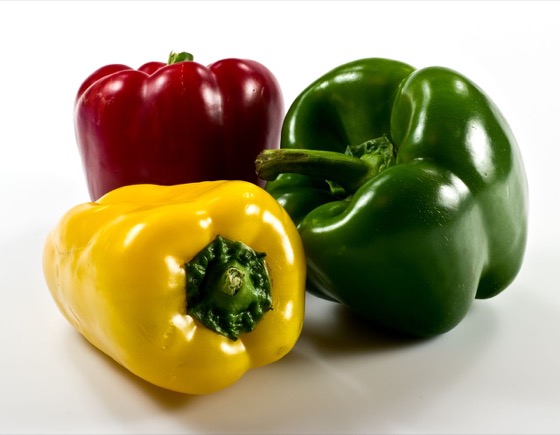
Sweet pepper
Capsicum annuum