fruiting vegetable · Solanacées
TomatoSolanum lycopersicum
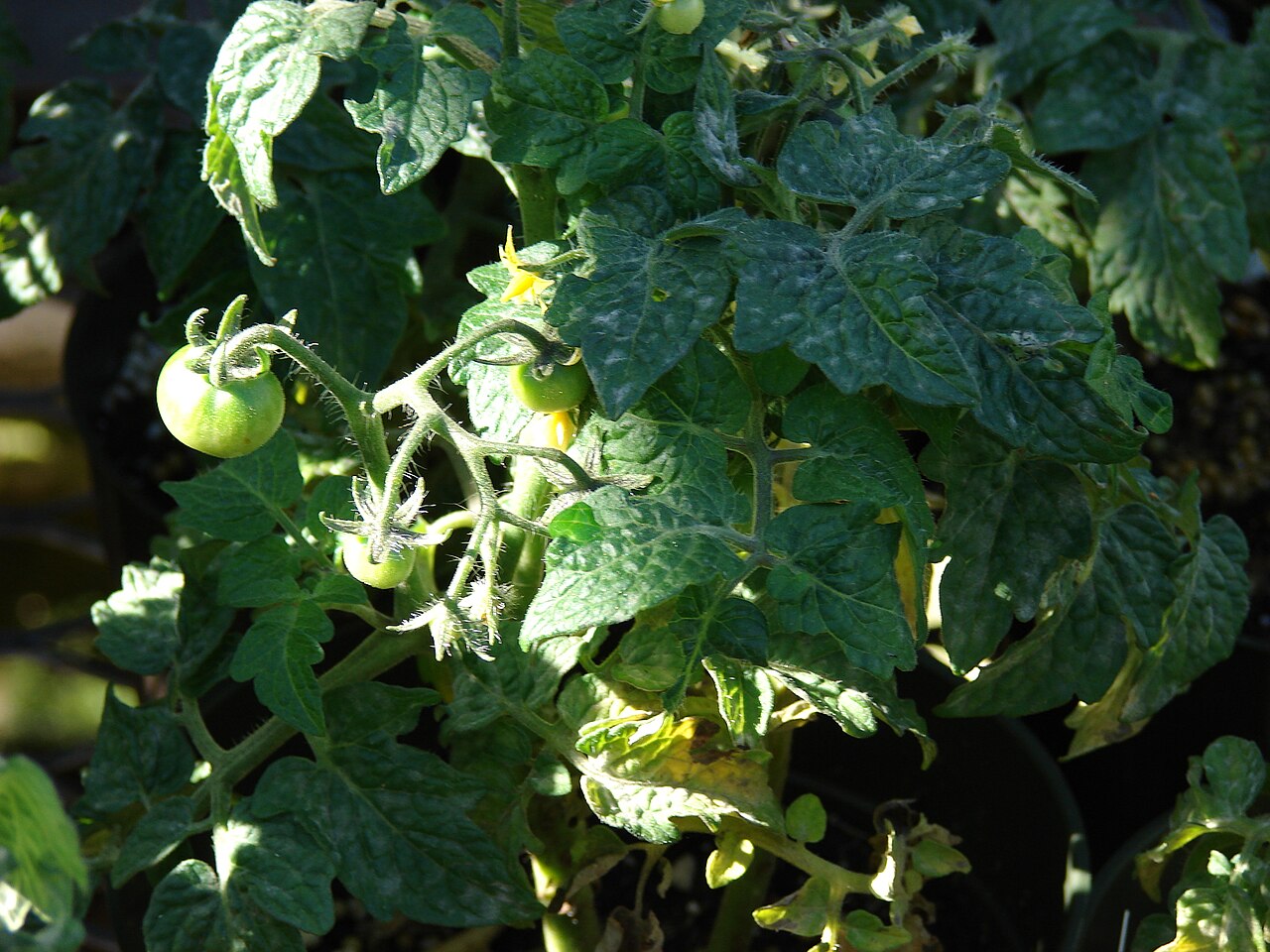
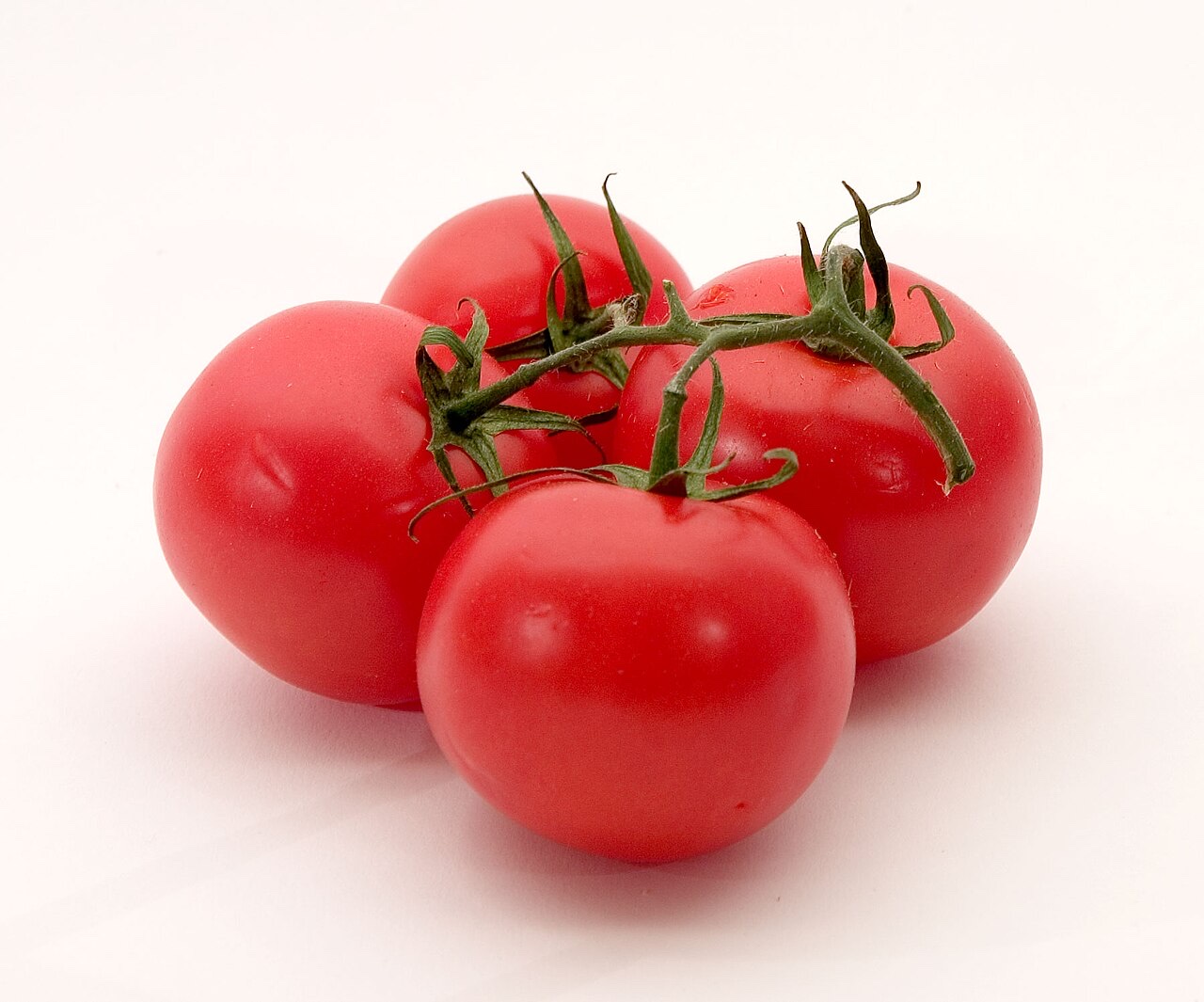
Queen of the summer vegetable garden, the tomato rewards patience with sun-drenched fruit that bears no comparison with anything from the shops. In our climate it needs shelter or a well-exposed corner, but every variety grown with care becomes a small source of pride to share at the end of the season.
- Difficulty
- Intermediate
- Exhibition
- Full sun, sheltered from wind
- Watering
- Regular and generous, at the base, without wetting the foliage
- Floor
- Rich in compost, loose, deep and well drained
- Spacing
- 50 cm along the row, 70 to 80 cm between rows
- Harvest
- 60 to 80 days after planting out
Calendar · Belgian climate
When to sow, plant and harvest
| Activity | Jan | Feb | Mar | Apr | May | Jun | Jul | Aug | Sep | Oct | Nov | Dec |
|---|---|---|---|---|---|---|---|---|---|---|---|---|
| Sowing under cover | yes | yes | yes | |||||||||
| Plantation | yes | yes | ||||||||||
| Harvest | yes | yes | yes | yes |
Step by step
1Sowing
Sow from late February to early April, in warmth (20 to 24 °C), in a seed tray or in pots filled with fine seed compost. Cover the seeds with five millimetres of compost, firm gently and keep moist without waterlogging. Germination takes five to ten days. Then place the seedlings behind the brightest window or under a grow lamp, otherwise they become leggy. Prick out into individual pots as soon as two true leaves appear, burying the stem up to the seed leaves.
2Planting out
Wait until mid-May outdoors, or early May in a cold greenhouse. Harden the plants off for a week outside, sheltered from wind. Dig a deep hole, add a handful of mature compost and bury the plant up to its first leaves: the stem then puts out extra roots. Install a sturdy stake of at least 1.50 m straight away. Water generously, then mulch with straw or dried grass clippings.
3Caring
Water at the base, once or twice a week depending on the heat, always avoiding the foliage. Tie the stem to the stake with a soft tie as it grows. For indeterminate varieties, remove the side shoots in the leaf axils every week. Feed with diluted comfrey liquid at flowering. Remove yellowed lower leaves to open up the plant and limit disease.
4Harvesting
Pick well-coloured fruit that yields slightly under the finger, from July until the first frosts. Twist the fruit gently to detach it with its stalk. At the end of the season, around mid-September, pinch out the tops of the plants and remove any new flowers to concentrate energy on the fruit already formed. Before the frosts, harvest all the green tomatoes: they will ripen indoors, in a dark crate.
5Storing
Never put ripe tomatoes in the fridge; they lose all their flavour there. Keep them at room temperature, out of the sun, and eat them within the week. For winter, make passata or sauces sterilised in jars, or freeze whole tomatoes, simply washed: the skin then slips off with a flick under cold water. Tomatoes dried in a low oven and kept in oil are a real treat.
Further reading
Planting and caring for plants properly
How to plant properly
Choosing the spot
The tomato wants at least six hours of direct sun a day and, in our climate, shelter from rain makes all the difference. The best position is a cold greenhouse, a polytunnel or a simple transparent canopy against a south- or south-west-facing wall, which gives back heat at night. Avoid wind corridors and the bottom of the garden where cold air settles in the early morning. Do not replant in the same spot two years running, nor after potatoes, so as not to keep blight alive in the soil. Plan for access: you will be visiting your plants every two or three days.
Preparing the soil
From autumn or by March at the latest, loosen the bed with a broadfork to twenty-five centimetres without turning the layers, then work three to five kilos of mature compost per square metre into the surface. In heavy Belgian clay, add a bucket of coarse sand or leaf mould to improve drainage. A winter mulch, removed a fortnight before planting, lets the soil warm up. Never use fresh manure: it burns the roots and attracts disease. A handful of sieved wood ash per plant provides the potash that colours and sweetens the fruit.
Sowing at the right time
Without a grow lamp, do not sow before mid-March: in February the light from our windows is too weak and the plants become leggy, pale and fragile. A sowing between 10 and 25 March, behind a south-facing window or under an LED strip placed ten centimetres above the leaves, gives stocky plants just in time for mid-May. Choose two or three complementary varieties: an early cherry, a sauce tomato, a large beefsteak type. Label every pot, as the seedlings all look alike. Turn the pots a quarter turn each day to stop the stems leaning.
Pricking out and planting
A good plant measures twenty to thirty centimetres, has a stem as thick as a pencil and sometimes its first flower truss. For seven to ten days, put it outside during the day and bring it in at night so that it hardens off. Plant in the evening or in overcast weather, in a twenty-centimetre hole enriched with a handful of compost. Remove the lower leaves and lay the plant at an angle or bury the stem up to the first leaves: every hair becomes a root. Water with at least three litres, then wait a few days before watering again to force the roots downwards.
In pots or containers
On a balcony, the tomato does very well provided you give it a container of at least twenty litres per plant, thirty for a vigorous variety, with drainage holes and raised on blocks. Fill with a mix of two thirds good-quality potting compost and one third garden compost, with a layer of clay pebbles or gravel at the bottom. Dwarf or determinate varieties, such as balcony cherry tomatoes, make do with a more modest pot and a short stake. In pots, the compost dries out quickly: expect to water daily in July, and give a liquid feed every fortnight from flowering.
Beginner's mistakes
Planting in early May because the weather is fine: a single night at 3 °C sets a plant back three weeks. Cramming plants thirty centimetres apart: the foliage stays damp, blight moves in and the fruit lacks light. Putting the stake in after planting: you pierce the roots. Watering a little every evening rather than generously once or twice a week: the roots stay near the surface and suffer at the first heat. Sowing too early without enough light, forgetting to label, or wanting twenty plants in your first year when six well-tended plants feed a family.
Look after it properly
Watering properly
The tomato prefers infrequent but abundant watering: outdoors, five to ten litres per plant once a week, twice in a heatwave, applied slowly at the base so the water soaks down. A buried terracotta pot or an upturned bottle near the stem directs water to the roots. Water in the morning by preference, never on the leaves, and do not let the soil swing between drought and sodden: that is what causes blossom end rot and split fruit. In late summer, gradually reduce watering, which concentrates the sugars. In a greenhouse, water at room temperature is better tolerated.
Mulching and feeding
Once the soil has warmed through, around early June, spread eight to ten centimetres of straw, dried grass clippings or hay around the plants, without touching the stem. This mulch keeps the soil cool, prevents the splashes that spread blight and feeds the earthworms. As for feeding, the tomato mainly needs potash from flowering onwards: comfrey liquid diluted to 10 %, every fortnight, or an organic tomato feed. Too much nitrogen gives lush foliage and few fruits. Comfrey leaves laid under the mulch break down and release their minerals slowly.
Pruning, staking, pinching
Tie the stem to the stake every twenty centimetres, with a soft tie in a figure of eight that leaves room to thicken. On indeterminate varieties, remove every week the side shoots that appear in the leaf axils, when they are three to five centimetres long, pinching them cleanly between two fingernails in dry weather. Training to a single stem gives larger, earlier fruit; two stems increase the quantity. Cherry and determinate varieties need little pruning. Around mid-August outdoors, late August in a greenhouse, cut off the top above the fifth or sixth truss: any later fruit would not have time to ripen.
Preventing diseases and pests
Blight remains enemy number one in our damp summers. Ventilate as much as possible, space the plants out, remove the lower leaves up to the first truss and keep the foliage dry. In stormy weather, spray a horsetail decoction or bicarbonate of soda at 5 g per litre with a drop of soft soap, every ten days. In a greenhouse, open doors and vents from the morning onwards. Against aphids, soft soap diluted to 5 % and French marigolds between the plants. Tomato moth caterpillars are picked off by hand in the evening. Disinfect secateurs and stakes from one season to the next.
Through the season
March: sowing in warmth and pricking out into pots. April: gradual hardening off, preparing the bed. Mid-May: planting out, staking, first generous watering. June: mulching, first tie, start of side-shoot removal, removal of lower leaves. July: weekly watering, comfrey liquid every fortnight, watching for blight after every storm. August: topping, light defoliation around the trusses to expose them to the sun, reduced watering. September: peak harvest, removal of new flowers. October: harvest of green fruit before the frosts, pulling up the plants and disposing of the haulms away from the compost heap.
Harvesting and extending the season
Pick in the morning, at full colour, when the fruit comes away easily with a twist. A tomato picked just as it turns, barely blushing, ripens in the kitchen without losing flavour, which relieves the plant and avoids splitting after a storm. In a greenhouse, the harvest often continues until All Saints' Day if you close up in the evening and keep the foliage dry. Before the first forecast frost, pull up whole plants with their green fruit and hang them upside down in a garage: the tomatoes finish ripening on the plant. A few apples in the crate speed up ripening thanks to the ethylene.
Obtaining seeds or seedlings
Seeds and seedlings: where to find them
A selection of reputable seed suppliers that deliver to your country, listed in order of proximity. Evadya does not receive any commission: these are suppliers we recommend for their reliability.
Semailles
For Belgian artisan seed producer, organic and reproducible seeds, over 250 regional varieties, a planting calendar tailored to the Belgian climate.
Against Small organisation: limited range of hybrid varieties and possible stock shortages during peak season.
Search for ‘tomato’ on SemaillesKokopelli
For Europe’s largest collection of heirloom, organic and open-pollinated varieties; comprehensive growing guides.
Against No hybrids or seedlings; delivery times can sometimes be long during peak season; prices are slightly higher.
View the shopFerme de Sainte Marthe
For A long-established organic seed supplier, offering seeds and young plants, heirloom varieties, and nutrition and recipe guides.
Against Dispatched from the Loire: postage charges to Belgium and Switzerland; plants are fragile in transit.
Search for ‘tomato’ on Ferme de Sainte MartheGraines Baumaux
For A vast selection (over 500 tomato varieties), with high-yielding F1 hybrids and heirloom varieties side by side, and plants available in season.
Against Not much organic produce; an old site; catalogue entries rather than growing guides.
Search for ‘tomato’ on Graines BaumauxVreeken’s Zaden
For A very wide range of Dutch products, competitive prices, and numerous varieties suited to the Benelux climate.
Against Website in Dutch only; limited selection of organic produce.
Search for ‘tomato’ on Vreeken’s ZadenDe Bolster
For Dutch organic seed producer, seeds suitable for propagation, a good selection for cool climates.
Against A shorter catalogue; website in Dutch.
Search for ‘tomato’ on De BolsterZollinger Bio
For Swiss organic seeds, varieties suited to high altitudes and microclimates, and a unique phenological calendar.
Against Swiss prices and customs charges from the European Union.
Search for ‘tomato’ on Zollinger BioBingenheimer Saatgut
For A leading German name in organic and biodynamic produce, offering open-pollinated varieties selected for the home gardener.
Against Website in German; delivery charges apply outside Germany.
Search for ‘tomato’ on Bingenheimer SaatgutDreschflegel
For A collective of organic growers, specialising in rare and regional varieties, and the preservation of traditional farm seeds.
Against Small quantities; a catalogue that’s more activist than practical; website in German.
Search for ‘tomato’ on DreschflegelFrom the vegetable patch to the plate
And then we savour it
What it offers
The tomato is rich in water, vitamin C and lycopene, an antioxidant that cooking makes even more available. It also provides potassium and few calories.
In the kitchen, it’s simple
In August, a simple beefsteak tomato sliced thick, with salt, pepper, olive oil and fresh basil, is enough to make a meal. The rest goes into passata for the winter.
Living well
Picking a tomato still warm from the sun and biting into it on the spot is one of those small joys that give the vegetable garden its whole meaning.
Also worth a look
Other vegetables
Courgette
Cucurbita pepo
Cucumber
Cucumis sativus
Sweet pepper
Capsicum annuum
Aubergine
Solanum melongena