fruiting vegetable · Solanacées
Sweet pepperCapsicum annuum
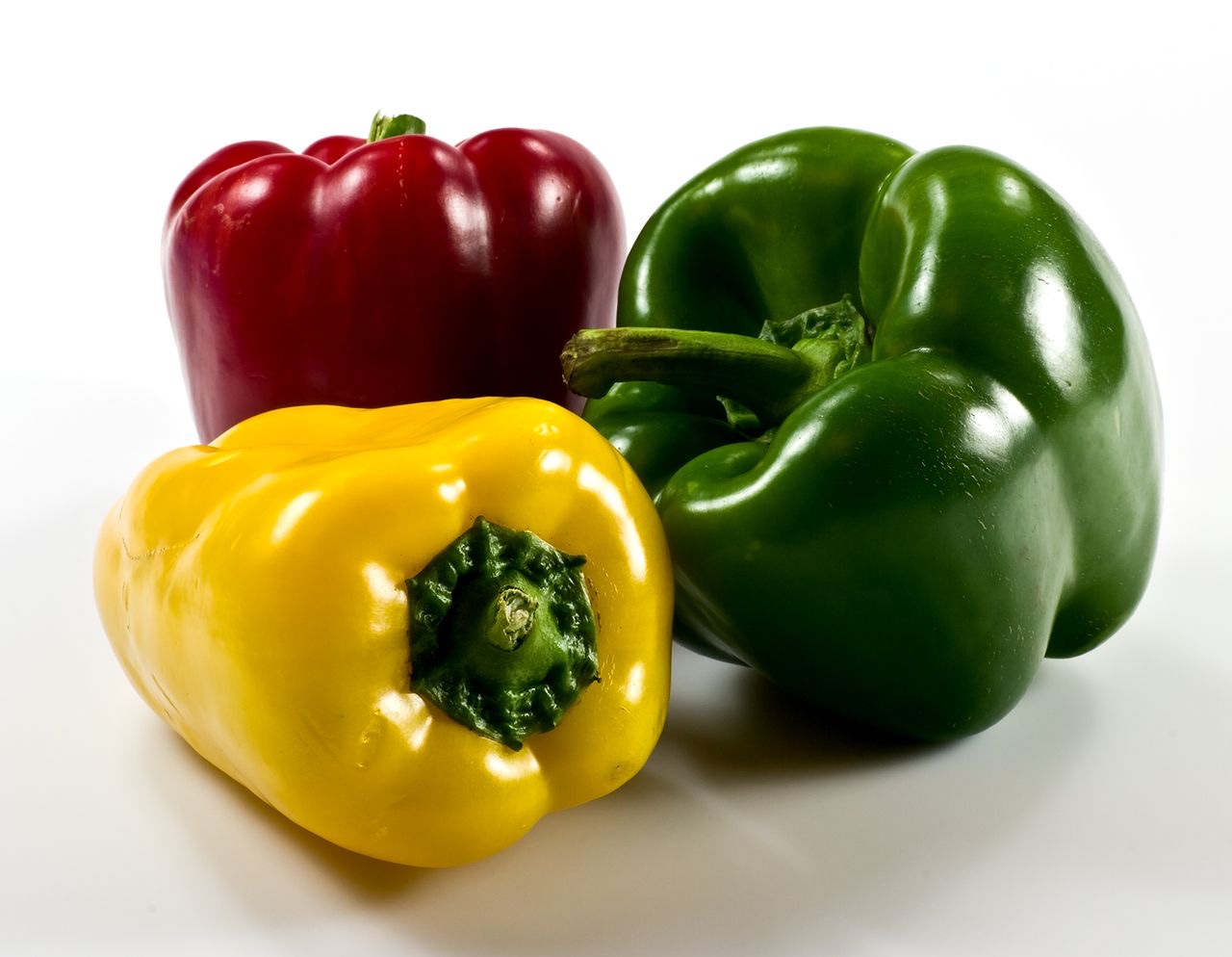
The sweet pepper loves warmth and a long season: sown very early, it delivers its fleshy, sweet fruit at the end of summer. In Belgium, a greenhouse or a pot against a warm wall suits it far better than open ground. A demanding crop, but what satisfaction at the first red fruit.
- Difficulty
- Demanding
- Exhibition
- Full sun, warm and sheltered from wind
- Watering
- Regular, moderate, at the base, never excessive
- Floor
- Rich, light, well drained, warmed through
- Spacing
- 40 to 50 cm along the row, 60 cm between rows
- Harvest
- 90 to 120 days after planting out
Calendar · Belgian climate
When to sow, plant and harvest
| Activity | Jan | Feb | Mar | Apr | May | Jun | Jul | Aug | Sep | Oct | Nov | Dec |
|---|---|---|---|---|---|---|---|---|---|---|---|---|
| Sowing under cover | yes | yes | ||||||||||
| Plantation | yes | yes | ||||||||||
| Harvest | yes | yes | yes |
Step by step
1Sowing
Sow early, from mid-February until mid-March, as the pepper is slow. It needs a constant 25 to 28 °C to germinate: a heat mat or the top of a radiator comes in handy. Sow in a seed tray five millimetres deep, in fine compost kept moist. Germination takes ten to twenty days. Prick out into pots as soon as the first two true leaves appear and keep the plants very warm and in strong light.
2Planting out
Wait until late May in a greenhouse, early June outdoors, when the nights stay above 12 °C. Harden the plants off gradually over a good week. Plant at the level of the neck, without burying the stem, in soil enriched with mature compost. A discreet stake stops the plant snapping under the weight of the fruit. In a pot, choose a container of at least ten litres and a rich compost. Mulch to hold in the warmth.
3Caring
Water regularly but not excessively, letting the surface dry out slightly between waterings. Too much water makes the flowers drop. Remove the first flower, the one that appears at the main fork, to encourage branching. Give a potash-rich feed, such as diluted comfrey liquid, every fortnight from flowering. Ventilate the greenhouse in hot spells; flowers abort above 32 °C.
4Harvesting
The fruit reaches full size from August, but stays green. You can pick it like that, or wait three more weeks for it to turn red, yellow or orange, sweeter and richer. Cut with secateurs, keeping a piece of stalk. Picking regularly encourages new fruit to form. Before the first frosts, harvest everything and let it ripen indoors.
5Storing
A whole pepper keeps for one to two weeks in the salad drawer of the fridge. For winter, freeze it raw, cut into strips, without blanching: it is perfect for slow-cooked dishes. Roasted in the oven and then peeled, it keeps for a fortnight in olive oil in a cool place, or for several months in sterilised jars. Small peppers also lacto-ferment very well.
Further reading
Planting and caring for plants properly
How to plant properly
Choosing the spot
The pepper needs warmth from morning to night and a long season: in our climate, a greenhouse or polytunnel gives it both. Failing that, the foot of a south-facing brick wall, which radiates heat in the evening, is the warmest spot in the garden, provided it is closed to wind. The pepper is more compact than the tomato and is happy at the edge of the greenhouse, in front of the tomatoes, without getting in their way. Avoid where last year's tomatoes, aubergines or potatoes grew; they belong to the same family and share their diseases.
Preparing the soil
The pepper likes rich soil, but above all light and warm. In April, loosen the bed with a broadfork and work in three kilos of mature compost per square metre, with a handful of wood ash for potash. In clay soil, build a twenty-centimetre mound lightened with sand and compost: it drains and warms up faster. Cover the bed with black film or a dark mulch two weeks before planting to store heat. Do not add fresh manure or nitrogen fertiliser: you would get plenty of foliage and little fruit.
Sowing at the right time
Sowing is done early, from mid-February to mid-March, but at first it needs more warmth than light: germination at 25 °C on a radiator or heat mat, then a south-facing windowsill or a grow lamp as soon as the seedlings are up. Allow three weeks to see the seedlings emerge; be patient. Favour early varieties or those with small elongated fruit, which turn red in August; the large square peppers often ripen too late in Belgium. If you have neither warmth nor light in February, buy plants in May: a wise decision, not a defeat.
Pricking out and planting
A good plant is fifteen to twenty centimetres tall, with a thick stem and dark green foliage, sometimes a flower bud. Harden it off for a good week before planting out. Plant in a greenhouse from 20 May, outdoors not before 5 June, when the nights stay above 12 °C. Unlike the tomato, do not bury it deeper than it was in its pot, or the neck rots. Space at forty-five centimetres, water with tepid water and put in a sixty-centimetre stake. A fleece or cloche on the first cool nights avoids the check that costs weeks.
In pots or containers
The pepper may be the fruiting vegetable best suited to a balcony, as a black pot against a warm wall gives it exactly what it wants. Allow twelve to fifteen litres per plant, a rich compost with a quarter of garden compost added and a drainage layer at the bottom. Place the pot facing south, sheltered from wind, and move it closer to the wall at night during cool spells. Water regularly without ever leaving water standing in the saucer; the pepper hates wet feet. A liquid tomato feed every ten days from flowering makes up for the limited volume. Dwarf varieties give small fruit in abundance.
Beginner's mistakes
Sowing late, in April, and watching the fruit arrive in October without ever turning red. Planting outdoors in mid-May: a cold night stalls the plant for three weeks and makes the first flowers drop. Overwatering for fear of drought, when the pepper prefers to dry out a little between waterings. Burying the plant deep like a tomato. Choosing a big supermarket variety rather than an early one suited to our summers. Forgetting the stake and finding the plant snapped by the weight of the fruit or a gust of wind. Losing patience in August: colouring still takes another three weeks.
Look after it properly
Watering properly
The pepper prefers constant, moderate moisture. Water at the base twice a week in open ground, three times in full heat, giving two to three litres per plant, and wait for the surface to dry slightly before the next watering. In pots, check every day by pushing a finger into the compost. Too much water yellows the foliage and drops the flowers; too little causes blossom end rot on the fruit. Use water at room temperature, especially in the greenhouse, and water in the morning. Once the fruit starts colouring, reduce watering slightly: it will be sweeter and more fragrant.
Mulching and feeding
Mulch only when the soil is properly warm, early June in a greenhouse, mid-June outdoors, as a mulch laid too early keeps the ground cold. Prefer a dark material, miscanthus mulch, dried grass clippings or leaf mould, five to eight centimetres deep. The pepper is a heavy consumer of potash: comfrey liquid diluted to 10 % every fortnight from the first flowers, or an organic tomato feed. A ring of compost in mid-July supports the fruit as it forms. Leaves that wilt despite watering or that lose colour between the veins often signal an excess of salts, not a deficiency.
Staking and pinching
Remove the first flower, the one that forms in the main fork: the plant then branches into three or four vigorous stems instead of exhausting itself on one early fruit. Tie the trunk to a sixty- to eighty-centimetre stake with a soft tie, and add ties on heavily laden branches in August. Remove the few leaves and shoots that appear below the fork to air the base of the plant. If a plant outdoors is carrying more than ten or twelve fruits, remove any new flowers after mid-August: they would come to nothing and delay the colouring of the fruit already formed.
Preventing diseases and pests
The pepper is fairly healthy, provided you avoid excess water and stuffy conditions. In a greenhouse, ventilate every day from the morning and mist the soil in hot spells to discourage red spider mite, which turns the foliage greyish. Aphids lodge on the undersides of young leaves: a shower of soapy water with soft soap diluted to 5 % is enough, repeated three days apart. Slugs nibble fruit that touches the ground, hence the value of the stake. Grey mould on faded flowers is kept in check by removing them by hand. Practise a three-year rotation with the nightshade family to avoid wilt diseases.
Through the season
Mid-February to mid-March: sowing at 25 °C, pricking out into pots at two true leaves. April: maximum light, sparing watering, first diluted feed. Mid-May: hardening off, planting in the greenhouse. Early June: planting outdoors, stake, cloche on cool nights, removal of the first flower. June: mulching, first comfrey feed. July: regular watering, ties, daily ventilation of the greenhouse, watching for aphids. August: first green fruit, removal of late flowers, reduced watering. September: colouring, main harvest. October: complete picking before the first frost, ripening of the last fruit indoors.
Harvesting and extending the season
Pick with secateurs, keeping a centimetre of stalk, without pulling, as the branches snap. A full-sized green pepper is already good, but colouring brings the sugar: wait three more weeks if the season allows. Picking the first fruit green stimulates the plant and lets the following ones ripen better. In October, close the greenhouse in the evening and cover outdoor plants with fleece: two weeks gained. Before the first forecast frost, harvest everything, even the small fruit; the large green ones finish turning red within a week on the windowsill, next to an apple.
Obtaining seeds or seedlings
Seeds and seedlings: where to find them
A selection of reputable seed suppliers that deliver to your country, listed in order of proximity. Evadya does not receive any commission: these are suppliers we recommend for their reliability.
Semailles
For Belgian artisan seed producer, organic and reproducible seeds, over 250 regional varieties, a planting calendar tailored to the Belgian climate.
Against Small organisation: limited range of hybrid varieties and possible stock shortages during peak season.
Search for ‘sweet pepper’ on SemaillesKokopelli
For Europe’s largest collection of heirloom, organic and open-pollinated varieties; comprehensive growing guides.
Against No hybrids or seedlings; delivery times can sometimes be long during peak season; prices are slightly higher.
View the shopFerme de Sainte Marthe
For A long-established organic seed supplier, offering seeds and young plants, heirloom varieties, and nutrition and recipe guides.
Against Dispatched from the Loire: postage charges to Belgium and Switzerland; plants are fragile in transit.
Search for ‘sweet pepper’ on Ferme de Sainte MartheGraines Baumaux
For A vast selection (over 500 tomato varieties), with high-yielding F1 hybrids and heirloom varieties side by side, and plants available in season.
Against Not much organic produce; an old site; catalogue entries rather than growing guides.
Search for ‘sweet pepper’ on Graines BaumauxVreeken’s Zaden
For A very wide range of Dutch products, competitive prices, and numerous varieties suited to the Benelux climate.
Against Website in Dutch only; limited selection of organic produce.
Search for ‘sweet pepper’ on Vreeken’s ZadenDe Bolster
For Dutch organic seed producer, seeds suitable for propagation, a good selection for cool climates.
Against A shorter catalogue; website in Dutch.
Search for ‘sweet pepper’ on De BolsterZollinger Bio
For Swiss organic seeds, varieties suited to high altitudes and microclimates, and a unique phenological calendar.
Against Swiss prices and customs charges from the European Union.
Search for ‘sweet pepper’ on Zollinger BioBingenheimer Saatgut
For A leading German name in organic and biodynamic produce, offering open-pollinated varieties selected for the home gardener.
Against Website in German; delivery charges apply outside Germany.
Search for ‘sweet pepper’ on Bingenheimer SaatgutDreschflegel
For A collective of organic growers, specialising in rare and regional varieties, and the preservation of traditional farm seeds.
Against Small quantities; a catalogue that’s more activist than practical; website in German.
Search for ‘sweet pepper’ on DreschflegelFrom the vegetable patch to the plate
And then we savour it
What it offers
The pepper, especially red, is one of the vegetables richest in vitamin C, and it also provides provitamin A and fibre. Raw, it keeps most of its vitamins.
In the kitchen, it’s simple
Roasted whole in the oven until the skin blisters, peeled, then served warm with garlic, olive oil and parsley, it goes with a simple slice of toasted bread in September.
Living well
Watching a pepper slowly turn from green to red teaches patience: in the vegetable garden, passing time has a taste.
Also worth a look
Other vegetables
Tomato
Solanum lycopersicum
Courgette
Cucurbita pepo
Cucumber
Cucumis sativus
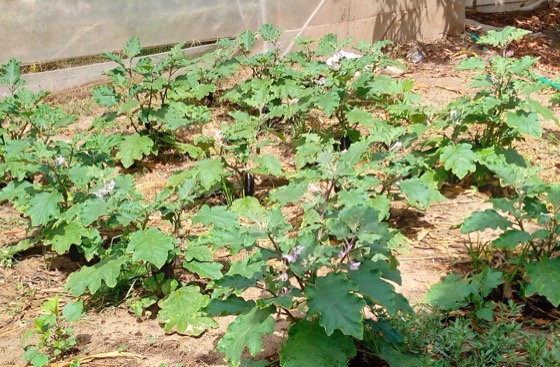
Aubergine
Solanum melongena