leaf vegetable · Caprifoliacées
Lamb's lettuce (corn salad)Valerianella locusta
Lamb's lettuce is the winter salad par excellence: sown in late summer, it offers its tender, mild rosettes when the vegetable garden is dozing. Hardy and undemanding, it makes do with a corner of ground freed after the summer harvests and takes the Belgian cold without flinching.
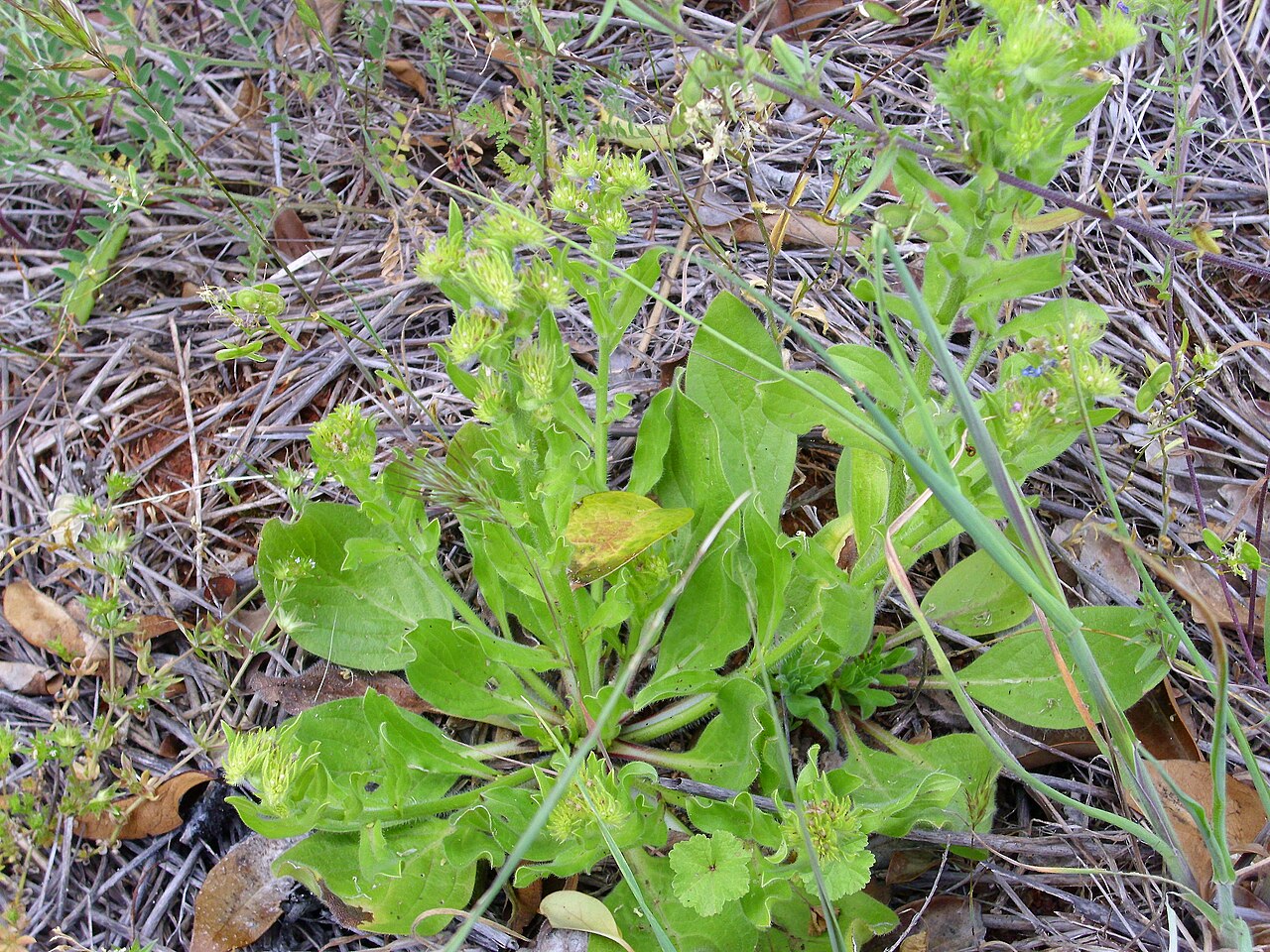
- Difficulty
- Easy
- Exhibition
- Sun or partial shade
- Watering
- Frequent, light waterings until germination, then moderate; the soil must never dry out in August.
- Floor
- Light, moist, well-firmed soil, without fresh manure; thrives after a well-manured crop.
- Spacing
- Rows 15 to 20 cm apart, sown thinly along the row or broadcast.
- Harvest
- 60 to 90 days depending on the season.
Calendar · Belgian climate
When to sow, plant and harvest
| Activity | Jan | Feb | Mar | Apr | May | Jun | Jul | Aug | Sep | Oct | Nov | Dec |
|---|---|---|---|---|---|---|---|---|---|---|---|---|
| Sowing in open ground | yes | yes | yes | |||||||||
| Harvest | yes | yes | yes | yes | yes | yes |
Step by step
1Sowing
Sow from July to September, directly in place, on soil that has been raked fine and, above all, firmed with the rake or a plank: lamb's lettuce germinates poorly in fluffed-up soil. Cover the seed very lightly, half a centimetre is enough, then firm and water with a fine spray. In hot weather, shade the sowing with a crate or fleece until germination, which takes one to two weeks.
2Planting out
Lamb's lettuce is not transplanted: it is sown in place, as its taproot copes badly with being moved. If you are short of space in August, sow it in module trays in the shade and set the intact plugs out three weeks later, every 10 cm, without disturbing the roots. This method also works between rows of leeks or cabbages, which give it shade.
3Caring
Thin to 8 or 10 cm if the sowing is dense, hoe lightly and weed by hand, as the rosettes are quickly smothered by chickweed and speedwell. Water regularly in late summer, then hardly at all from October. An overwintering fleece or a cold frame protects against hard frosts and above all against melting snow, which dirties the leaves.
4Harvesting
Cut whole rosettes with a knife, just below the neck, as soon as they reach 6 to 8 cm across. Harvest preferably when there is no frost, in the late morning, once the leaves have regained their suppleness. Take only what you will eat the same day: lamb's lettuce keeps far better in the ground than in the fridge, and can be harvested this way all winter.
5Storing
Lamb's lettuce is fragile: wash it in several changes of water to remove the grit, spin gently and eat within two days. Wrapped in a damp cloth in the vegetable drawer, it lasts three days at most. It cannot be frozen and is hardly ever cooked, except briefly in a soup; so leave the plants in the ground and pick as you go.
Further reading
Planting and caring for plants properly
How to plant properly
Choosing the spot
Lamb's lettuce grows almost anywhere, but it does best on a sunny bed, which catches the rare winter rays, with soil that is moist without being sodden. It follows on perfectly from early potatoes, onions, garlic or beans, pulled up between July and September, and slips in between rows of leeks or at the foot of cabbages, whose light shade it enjoys in August. Avoid soils that stay waterlogged in winter, where the rosettes rot, and do not resow it two years running in the same spot.
Preparing a fine, firmed soil
Unlike most vegetables, lamb's lettuce wants firm soil, not a fluffed-up bed. Do not dig: just scratch the surface to five centimetres to remove the debris of the previous crop and the weeds, rake finely, then firm with the back of the rake, a plank or a roller. No compost or fertiliser is needed; lamb's lettuce makes do with what the previous crop left and becomes prone to disease in soil that is too rich. If the soil is very dry in August, water the bed the day before sowing, never just afterwards, to avoid a crust.
Sowing at the right time
In Belgium, the useful window runs from mid-July to the end of September. A sowing in late July or early August gives the largest rosettes from October; a sowing from late August to mid-September provides all winter, in smaller rosettes, and gets going again in spring; after 1 October, only a cold frame or tunnel allows a harvest, in March. Sow in rows fifteen to twenty centimetres apart, one seed per centimetre, or broadcast at two grams per square metre. Cover with five millimetres of fine soil, firm again and water with a spray.
Getting germination right in the heat
Lamb's lettuce germinates between 10 and 20 °C and sulks above that: this is the real challenge of an August sowing. Sow in the evening, then cover the sowing with a plank, an upturned crate or shade netting, which you remove at the first shoots, after one to two weeks. Water every evening with a very fine spray to keep the surface moist without beating it down. Use seed under two years old, as its viability drops quickly. You can also pre-germinate the seed for three days in a damp cloth in a cool place before sowing: emergence is faster and more even.
Sowing in modules and planting
If the bed is not free in August, sow in module trays or soil blocks, three or four seeds per cell, in a cool, shady place. Three weeks later, when the seedlings have four leaves, plant the whole plugs, without crumbling them, every ten centimetres each way, in firmed, watered soil. This method succeeds very well and lets you fill a bed the moment it becomes free, or slip clumps in between winter cabbages. Plants bought from a garden centre are set out the same way, until mid-October.
In pots or containers
Lamb's lettuce is perfect in a window box or container twelve to fifteen centimetres deep, on a balcony, a windowsill or a terrace. Fill with firmed potting compost, broadcast the seed, cover with a few millimetres, firm by hand and water. Keep it cool and shaded until germination, then in the sun. The container can stay outside all winter; move it close to a wall in hard frost. Water little, only when the surface is dry. A one-metre window box provides a salad a week from November to March, cut rosette by rosette.
Beginner's mistakes
The first mistake is sowing in freshly dug, loose soil: the seeds sink too deep and germination is miserable. The second is sowing too early, in June, in the heat, or too late, in October, in the cold. Burying the seed two centimetres deep, watering with a jet or letting the surface dry out between showers ruins everything. Sowing too densely without thinning produces tiny rosettes and a hotbed of powdery mildew. Finally, giving up on a sowing that has shown nothing after a week is premature: lamb's lettuce takes its time, sometimes three weeks.
Look after it properly
Watering lightly, then hardly at all
Until germination, keep the surface moist with fine waterings every evening. After that, water every three or four days in dry weather in August-September, five litres per square metre, in the morning by preference. From October, rain is enough and watering becomes harmful: too much moisture encourages powdery mildew, rust and rotting of the rosettes. Under a cold frame or tunnel, a light watering every two to three weeks in mild weather is enough all winter. Never wet the foliage in the evening, and ventilate the cover every frost-free day.
No feeding, just weeding
Lamb's lettuce needs no fertiliser or plant liquid: in soil that is too rich, it becomes drawn, yellows and catches every disease. The only essential care is regular, careful hand-weeding, as chickweed, speedwell and annual meadow grass come up at the same time as it does and smother it in a few weeks in our mild autumns. Go over the bed every ten days in September-October, then once a month. A very shallow hoeing between the rows is enough; the roots are close to the surface. Do not mulch, or only with one centimetre of hemp, to keep the rosettes clean without confining them.
Thinning and airing
When the seedlings have three or four leaves, thin to eight or ten centimetres by removing the weakest. Rosettes packed too tightly stay small, stretch and go mouldy from the inside. A broadcast sowing is thinned by shearing the densest patches with scissors. From November, remove yellow or slimy outer leaves as you go, along with whole plants that have rotted after snow. An overwintering fleece laid over hoops, rather than directly on the plants, keeps the leaves dry and clean, which matters more than the temperature.
Preventing powdery mildew, rust and slugs
Powdery mildew, a white felt on the leaves, and rust, brown pustules, appear in mild, damp autumns on sowings that are too dense. Sow thinly, thin, weed, do not water the foliage and remove affected rosettes; a spray of horsetail decoction in September limits the spread. Slugs nibble the young plants in August-September: trap planks lifted every morning, hunting with a head torch, ash or shells in dry weather. In winter, pigeons and rabbits go for the rosettes when everything else is scarce: fleece or a net keeps them at bay. Choose varieties resistant to powdery mildew such as Vit or Trophy.
Through the season
In July, prepare and firm the bed freed by potatoes or onions. In August, sow twice a fortnight apart, shade, water every evening until germination. In September, thin, weed, sow one last time, set out slug defences. In October, weed again, stop watering, start harvesting the first sowing. In November-December, put up hoops and fleece, harvest when there is no frost. In January-February, clear snow off the fleece, remove rotten leaves, harvest. In March, harvest what is left before flowering, then hand the bed back to the spring sowings.
Harvesting and extending the season
Cut whole rosettes with a knife just below the neck, as soon as they are six to eight centimetres across, starting with the largest to let the others grow on. Harvest in the late morning, when there is no frost, once the leaves have regained their suppleness, and only for the day's meal. A rosette from which you cut only the outer leaves regrows once. To extend into April, keep a late sowing under a cold frame, and let two or three plants flower in April-May: lamb's lettuce self-seeds, and you will find free seedlings to transplant in September.
Obtaining seeds or seedlings
Seeds and seedlings: where to find them
A selection of reputable seed suppliers that deliver to your country, listed in order of proximity. Evadya does not receive any commission: these are suppliers we recommend for their reliability.
Semailles
For Belgian artisan seed producer, organic and reproducible seeds, over 250 regional varieties, a planting calendar tailored to the Belgian climate.
Against Small organisation: limited range of hybrid varieties and possible stock shortages during peak season.
Search for ‘lamb's lettuce (corn salad)’ on SemaillesKokopelli
For Europe’s largest collection of heirloom, organic and open-pollinated varieties; comprehensive growing guides.
Against No hybrids or seedlings; delivery times can sometimes be long during peak season; prices are slightly higher.
View the shopFerme de Sainte Marthe
For A long-established organic seed supplier, offering seeds and young plants, heirloom varieties, and nutrition and recipe guides.
Against Dispatched from the Loire: postage charges to Belgium and Switzerland; plants are fragile in transit.
Search for ‘lamb's lettuce (corn salad)’ on Ferme de Sainte MartheGraines Baumaux
For A vast selection (over 500 tomato varieties), with high-yielding F1 hybrids and heirloom varieties side by side, and plants available in season.
Against Not much organic produce; an old site; catalogue entries rather than growing guides.
Search for ‘lamb's lettuce (corn salad)’ on Graines BaumauxVreeken’s Zaden
For A very wide range of Dutch products, competitive prices, and numerous varieties suited to the Benelux climate.
Against Website in Dutch only; limited selection of organic produce.
Search for ‘lamb's lettuce (corn salad)’ on Vreeken’s ZadenDe Bolster
For Dutch organic seed producer, seeds suitable for propagation, a good selection for cool climates.
Against A shorter catalogue; website in Dutch.
Search for ‘lamb's lettuce (corn salad)’ on De BolsterZollinger Bio
For Swiss organic seeds, varieties suited to high altitudes and microclimates, and a unique phenological calendar.
Against Swiss prices and customs charges from the European Union.
Search for ‘lamb's lettuce (corn salad)’ on Zollinger BioBingenheimer Saatgut
For A leading German name in organic and biodynamic produce, offering open-pollinated varieties selected for the home gardener.
Against Website in German; delivery charges apply outside Germany.
Search for ‘lamb's lettuce (corn salad)’ on Bingenheimer SaatgutDreschflegel
For A collective of organic growers, specialising in rare and regional varieties, and the preservation of traditional farm seeds.
Against Small quantities; a catalogue that’s more activist than practical; website in German.
Search for ‘lamb's lettuce (corn salad)’ on DreschflegelFrom the vegetable patch to the plate
And then we savour it
What it offers
A salad rich in folate (vitamin B9), beta-carotene and iron, with a remarkable omega-3 content for a leafy green.
In the kitchen, it’s simple
Serve it raw with bacon lardons, walnuts and cubes of cooked beetroot, or as the classic accompaniment to a festive boudin blanc.
Living well
Picking a fresh salad on a January morning, when everything seems asleep, is a small victory that warms up the winter.
Also worth a look