leaf vegetable · Amaryllidacées
LeekAllium porrum
The leek is the winter vegetable par excellence of the Belgian garden: hardy, it stays in the ground through frost and is harvested from September to March. A spring sowing, a summer transplanting and a little earthing up are enough for white, tender shanks that feed you through the whole cold season.
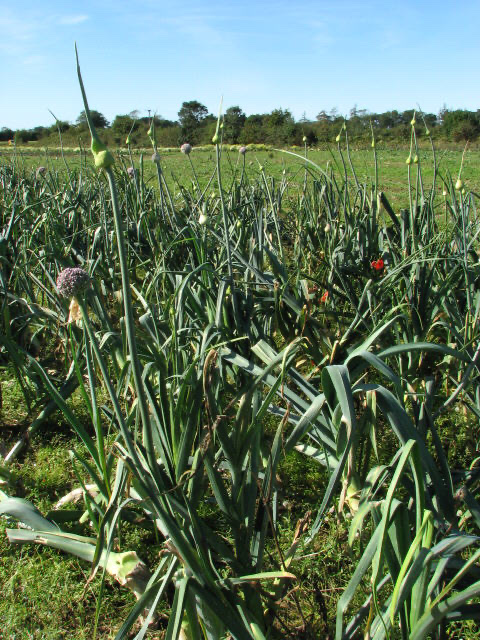
- Difficulty
- Intermediate
- Exhibition
- Full sun or partial shade
- Watering
- Regular after transplanting, then moderate, soil kept moist
- Floor
- Rich in humus, deep, moist, loose
- Spacing
- 12 to 15 cm along the row, 35 cm between rows
- Harvest
- 150 to 200 days after sowing
Calendar · Belgian climate
When to sow, plant and harvest
| Activity | Jan | Feb | Mar | Apr | May | Jun | Jul | Aug | Sep | Oct | Nov | Dec |
|---|---|---|---|---|---|---|---|---|---|---|---|---|
| Sowing under cover | yes | yes | yes | |||||||||
| Sowing in open ground | yes | yes | yes | |||||||||
| Plantation | yes | yes | yes | |||||||||
| Harvest | yes | yes | yes | yes | yes | yes | yes |
Step by step
1Sowing
Sow under cover from January to March for summer leeks, and outdoors from March to May for autumn and winter leeks. In a seedbed, draw drills one centimetre deep and ten centimetres apart and sow thinly. Germination takes two to three weeks. Let the plants grow on in the seedbed until they are the thickness of a pencil, which takes two to three months. Thin if necessary.
2Planting out
Transplant from May to July, when the plants are the diameter of a pencil. Lift them, trim the roots back to two centimetres and the leaves by a third: this trimming helps them establish. With a dibber, make holes fifteen centimetres deep, every twelve to fifteen centimetres, in rows thirty-five centimetres apart. Drop one plant into each hole without filling it in, then water generously: the water washes soil around the roots and the shank lengthens in the hole.
3Caring
Water regularly for the first few weeks, then in dry weather. Hoe often and earth up gradually, drawing soil around the shanks as they grow: this is what blanches and lengthens the tender part. A dose of diluted nettle liquid in summer supports growth. Lay insect-proof mesh in April and from September to October against the leaf miner and the leek moth. A mulch between the rows keeps the soil cool.
4Harvesting
Harvest summer leeks from September, winter leeks from November to March, as and when you need them. Lift them with a garden fork pushed in beside the shank, without pulling on the leaves, which would snap. In frosty weather, lift during a thaw or cover the rows with a mulch so you can carry on taking them. Harvest everything before they bolt in April.
5Storing
The leek keeps best in the ground, where it waits out the whole winter. Once lifted, it keeps for a week in the fridge, unwashed, in a damp cloth. To free the bed at the end of the season, heel the leeks in to a trench of sand in the cellar or a sheltered corner: they last several weeks. Sliced into rounds and blanched for a minute, the leek freezes well for soups.
Further reading
Planting and caring for plants properly
How to plant properly
Choosing the spot
The leek is undemanding about exposure: full sun suits it, but it tolerates light partial shade, which makes it a good candidate for the slightly less favoured beds. What it asks for is deep soil, moist in summer and free of standing water in winter, since it stays in place until March. Our loamy soils suit it very well; in clay, make sure of proper drainage. Preferably choose a bed that carried peas, broad beans or early potatoes, freed up in June, and avoid one that grew onions or garlic in the last three years.
Preparing a rich, deep soil
The leek is greedy. The previous autumn, or at least a month before transplanting, spread four to five kilos of well-rotted compost per square metre, or composted manure, and work it in to twenty-five centimetres with a broadfork. Manure that is too fresh attracts the leaf miner and causes rot, so be patient if you have just spread some. Crumble the surface finely and remove stones and perennial roots. If your soil is very acid, which happens on some Ardennes loams, a light liming in autumn, one hundred grams of magnesian lime per square metre, helps growth.
Sowing in a seedbed
Sow under a cold frame from February to March for summer leeks, and in an outdoor seedbed from mid-March to mid-May for autumn and winter leeks, the ones that really matter here. Choose a corner of fine soil, draw drills one centimetre deep and ten apart, and drop a seed roughly every centimetre; two grams of seed give nearly two hundred plants. Cover, firm, water with a fine spray and keep moist: germination takes two to three weeks at 12 °C. Sowing in a seed tray, then a seed box, works just as well on a cool windowsill.
Raising good plants
A leek plant ready for transplanting measures fifteen to twenty centimetres and is the diameter of a pencil: that takes two to three months. Thin the seedbed to three centimetres as soon as the seedlings are up, hand-weed and water regularly, without excess. Nettle liquid diluted to 10 % in May stimulates growth. If the plants stay too thin, wait rather than transplanting puny specimens that would give spindly shanks. Conversely, a plant that is too large, left two months too long, bolts the same year. Module-grown plants bought from a garden centre in June are a good fallback.
Transplanting with a dibber
Transplant from mid-May to late July, on an overcast day, after watering the seedbed. Lift the plants with a fork, trim the roots to two centimetres and the foliage by a third: this trimming limits evaporation and helps establishment. Some people leave the plants to dry for two days in the shade, which discourages the leaf miner. With a dibber, make holes fifteen to twenty centimetres deep every twelve to fifteen centimetres, in rows thirty-five centimetres apart. Drop one plant into each hole, without filling it in, and fill the hole with water: the soil closes over the roots by itself.
In pots or containers
The leek accepts a container thirty centimetres deep, filled with rich potting compost mixed with a third of garden compost. Plant the young plants in holes twelve centimetres deep, every ten centimetres, and water generously. Place the container in sun or partial shade, never in a corner that stays sodden in the rain. A mulch of dried grass clippings or hemp keeps the compost cool. The shanks will stay shorter than in open ground, but perfectly tender. To blanch them, add compost as they grow or wrap each shank in a cardboard collar.
Beginner's mistakes
Transplanting plants as thin as matchsticks too early gives skinny leeks, whatever you do afterwards. Filling the planting holes in by hand stops the shank from lengthening: let the water do it. Planting close, at eight centimetres, does not give more harvest, only thin leeks and a well-established leek moth. Forgetting the insect-proof mesh in April and September means offering your leeks to the leaf miner, which rots them from the heart. Finally, sowing a single summer variety, which cannot take frost, deprives you of the best: winter leeks, harvested from November to March.
Look after it properly
Watering without excess
After transplanting, water every two or three days for two weeks if the weather is dry, then once a week in July-August, generously, fifteen litres per square metre, rather than little and often. The leek copes badly with summer drought, which hardens the shank and slows growth, but it also hates waterlogged soil. From September, rain is almost always enough. Water at the base in the morning, without wetting the foliage, so as not to encourage rust. A mulched soil halves the need for water.
Mulching and feeding
A month after transplanting, once the plants have established, mulch between the rows with five to eight centimetres of dried grass clippings, straw or dead leaves: the soil stays cool, weeds are blocked, and the ground stays loose for earthing up. Feed in July and August with a watering of nettle or comfrey liquid diluted to 10 %, one watering can per square metre, two or three times in all. Stop all nitrogen from September: an over-fed leek stands up less well to frost and disease. The compost from the soil preparation does the rest.
Earthing up to blanch
The tender white of the leek is the part deprived of light. Three weeks after transplanting, hoe and draw a little soil against the shanks. Repeat every fortnight, in layers of three to five centimetres, never going above the base of the leaves, otherwise soil gets in between them and grits between the teeth. By autumn, the shanks are buried fifteen to twenty centimetres deep. The lazy get a comparable result by planting deep and slipping a collar of cardboard or drainage pipe around each plant. Remove yellowed leaves as you go.
Preventing leaf miner, leek moth and rust
The allium leaf miner flies in two generations, from mid-March to late April and from mid-September to mid-November. During these two periods, cover seedbed and bed with insect-proof mesh of under one millimetre, pressed well down to the ground. Pull up and bin misshapen shanks that carry small brown pupae. The leek moth bores into the heart of the leaves in July-August: cut affected foliage back to ten centimetres above the neck and it regrows healthy. Against late-summer rust, give plenty of air, avoid excess nitrogen, remove spotted leaves and spray horsetail.
Through the season
In February-March, sow under cover, then in a seedbed, and lay mesh from emergence until the end of April. In May-June, thin, feed with nettle liquid, then transplant the pencil-thick plants. In July, water, mulch, start earthing up, watch for leek moth. In August, feed one last time, earth up, remove diseased leaves. In September, lay the mesh again against the second flight of the leaf miner, until mid-November. In October-November, harvest the autumn varieties and earth up the winter leeks one last time. From December to March, harvest as needed, and lift everything before flowering in April.
Harvesting and extending the season
Harvest summer leeks from August, autumn leeks from September to November, and keep the winter varieties, such as Bleu de Solaise or Saint-Victor, for December to March. Lift each plant with a garden fork pushed in ten centimetres from the shank, and pull gently. In prolonged frost, cover part of the row with twenty centimetres of straw or leaves so you can carry on lifting. To free the bed in March, heel the last leeks in to a shady corner. Shanks that bolt in spring are not lost: their flower buds cook like asparagus.
Obtaining seeds or seedlings
Seeds and seedlings: where to find them
A selection of reputable seed suppliers that deliver to your country, listed in order of proximity. Evadya does not receive any commission: these are suppliers we recommend for their reliability.
Semailles
For Belgian artisan seed producer, organic and reproducible seeds, over 250 regional varieties, a planting calendar tailored to the Belgian climate.
Against Small organisation: limited range of hybrid varieties and possible stock shortages during peak season.
Search for ‘leek’ on SemaillesKokopelli
For Europe’s largest collection of heirloom, organic and open-pollinated varieties; comprehensive growing guides.
Against No hybrids or seedlings; delivery times can sometimes be long during peak season; prices are slightly higher.
View the shopFerme de Sainte Marthe
For A long-established organic seed supplier, offering seeds and young plants, heirloom varieties, and nutrition and recipe guides.
Against Dispatched from the Loire: postage charges to Belgium and Switzerland; plants are fragile in transit.
Search for ‘leek’ on Ferme de Sainte MartheGraines Baumaux
For A vast selection (over 500 tomato varieties), with high-yielding F1 hybrids and heirloom varieties side by side, and plants available in season.
Against Not much organic produce; an old site; catalogue entries rather than growing guides.
Search for ‘leek’ on Graines BaumauxVreeken’s Zaden
For A very wide range of Dutch products, competitive prices, and numerous varieties suited to the Benelux climate.
Against Website in Dutch only; limited selection of organic produce.
Search for ‘leek’ on Vreeken’s ZadenDe Bolster
For Dutch organic seed producer, seeds suitable for propagation, a good selection for cool climates.
Against A shorter catalogue; website in Dutch.
Search for ‘leek’ on De BolsterZollinger Bio
For Swiss organic seeds, varieties suited to high altitudes and microclimates, and a unique phenological calendar.
Against Swiss prices and customs charges from the European Union.
Search for ‘leek’ on Zollinger BioBingenheimer Saatgut
For A leading German name in organic and biodynamic produce, offering open-pollinated varieties selected for the home gardener.
Against Website in German; delivery charges apply outside Germany.
Search for ‘leek’ on Bingenheimer SaatgutDreschflegel
For A collective of organic growers, specialising in rare and regional varieties, and the preservation of traditional farm seeds.
Against Small quantities; a catalogue that’s more activist than practical; website in German.
Search for ‘leek’ on DreschflegelFrom the vegetable patch to the plate
And then we savour it
What it offers
The leek provides fibre, potassium, folate (vitamin B9) and vitamin K, with very few calories. The green of the leaves, often thrown away, is the richest part in antioxidants.
In the kitchen, it’s simple
Gently softened in butter then bound with a little cream, a November leek accompanies white fish or fills a tart with goat's cheese.
Living well
Pulling a frozen leek from the vegetable garden for the evening soup, in December, gives the feeling of a garden that never really stops.
Also worth a look
Other vegetables
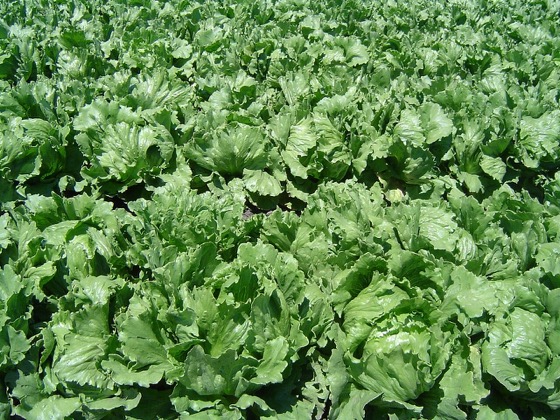
Lettuce
Lactuca sativa
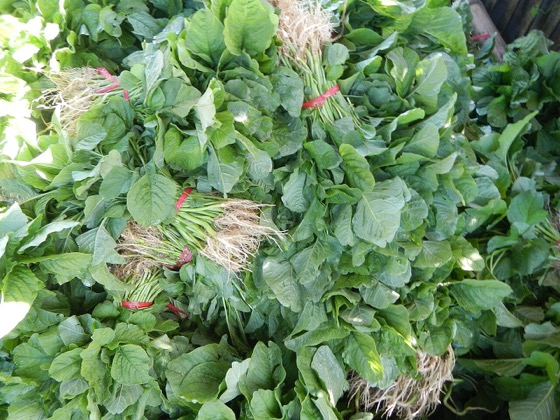
Spinach
Spinacia oleracea
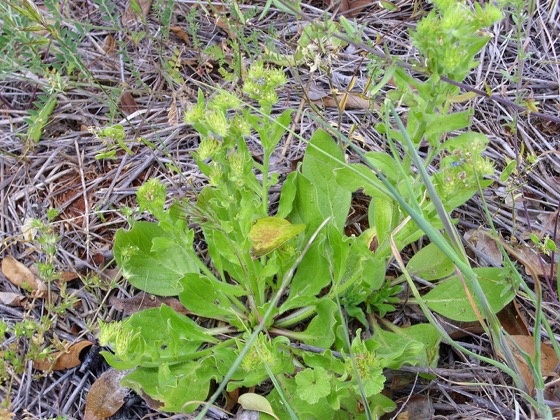
Lamb's lettuce (corn salad)
Valerianella locusta
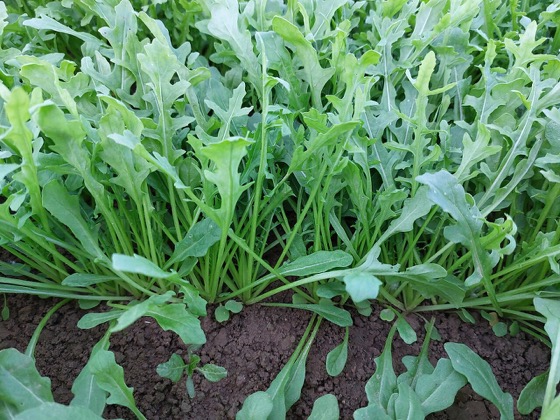
Rocket
Eruca vesicaria subsp. sativa