brassica · Brassicacées
CauliflowerBrassica oleracea var. botrytis
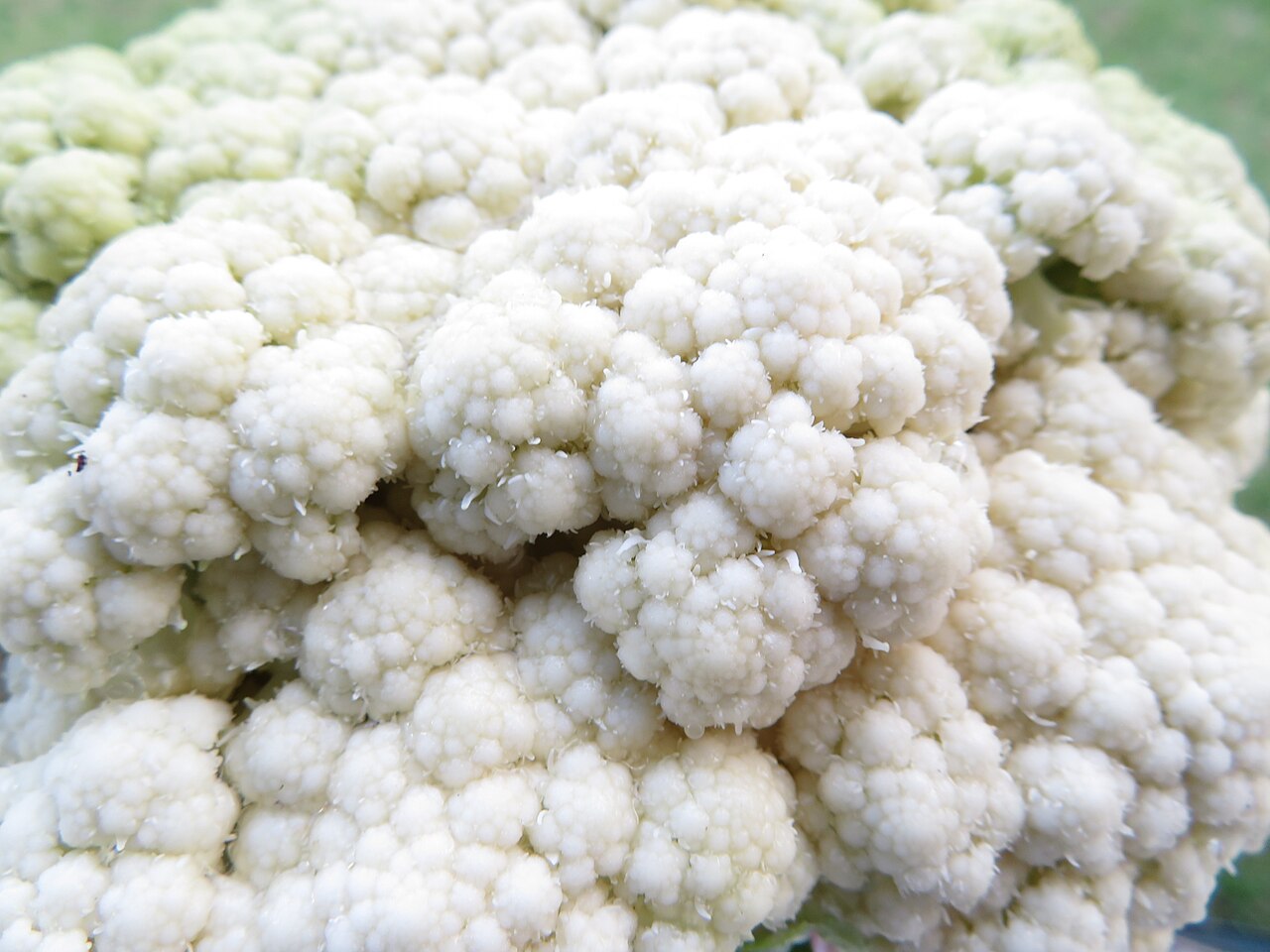
Growing a white, tightly packed cauliflower is a point of pride for any gardener. Hungry for water and food, sensitive to any check in growth, it demands rich soil and steady attention; in return, its crunchy head is worth every effort, in a gratin as much as in a salad.
- Difficulty
- Demanding
- Exhibition
- Sun
- Watering
- Abundant and regular, never any drought; the head forms badly if growth stops.
- Floor
- Deep soil, rich in humus, moist, well manured in autumn, neutral to slightly chalky pH.
- Spacing
- 60 cm between plants, 60 to 70 cm between rows.
- Harvest
- 90 to 150 days depending on the variety.
Calendar · Belgian climate
When to sow, plant and harvest
| Activity | Jan | Feb | Mar | Apr | May | Jun | Jul | Aug | Sep | Oct | Nov | Dec |
|---|---|---|---|---|---|---|---|---|---|---|---|---|
| Sowing under cover | yes | yes | ||||||||||
| Sowing in open ground | yes | yes | yes | |||||||||
| Plantation | yes | yes | yes | yes | ||||||||
| Harvest | yes | yes | yes | yes | yes | yes |
Step by step
1Sowing
For a summer harvest, sow in February-March under cover, in a seed tray or in pots, at 15-18 °C. For the autumn harvest, the safest here, sow in an outdoor seedbed from April to June, in rows 10 cm apart. Prick out into pots as soon as the seedlings have two true leaves, to get stocky plants with a firm neck.
2Planting out
Set out six- to eight-week-old plants with four to six leaves, every 60 cm. Plant deep, up to the first leaves, in soil enriched with compost, and firm well with your foot. Water generously. A cardboard collar around the stem and insect-proof mesh from planting protect against the cabbage root fly and the cabbage white.
3Caring
Water relentlessly in dry weather, mulch thickly to keep the soil cool, hoe and earth up lightly to steady the plants. A dose of diluted nettle liquid every three weeks supports growth. When the head appears, snap or fold two large leaves over it to keep it white and protect it from the sun and rain that stain it.
4Harvesting
Cut the head with a knife when it is firm, white and still tight, before the curds begin to separate. It happens fast: check every day, especially in warm weather. Keep a few leaves around it for protection. Autumn varieties are harvested until the frosts, and a slightly yellowed head is still perfectly good.
5Storing
Cauliflower keeps for a week in the vegetable drawer, head down and leaves left on. For longer, break into florets, blanch for three minutes in boiling salted water, cool and freeze flat. You can also pickle it in vinegar with carrots and onions, or pull up the whole plants and hang them in a cool cellar.
Further reading
Planting and caring for plants properly
How to plant properly
Choosing the spot
Cauliflower wants full sun, but not a furnace: an open bed, without root competition, where the soil stays cool deep down. Our deep loams are ideal; heavy clays suit it if well structured, dry sands far less so. Place it out of the prevailing winds, which dry out and destabilise the plants. Rotation is crucial: five years without any brassica, cabbages, turnips, radishes, rocket or mustard green manure, on the same bed, to avoid clubroot. The spot where last year's peas, broad beans, early potatoes or leeks grew is perfect.
Preparing a rich, deep, firm soil
Cauliflower is the hungriest of the cabbages. The previous autumn, spread five to six kilos of composted manure or mature compost per square metre, worked in to twenty-five centimetres with a broadfork. If your soil is acid, betrayed by moss and dock, lime lightly at the same time, one hundred to one hundred and fifty grams of magnesian lime per square metre: clubroot retreats and the calcium prevents browning of the head. A month before planting, fork over, work in a handful of wood ash or extra compost, then firm the surface with the rake: cabbages like a settled soil.
Sowing according to the harvest you want
For a June-July harvest, sow in February-March under cover, at 15-18 °C, in a seed tray, then prick out into eight-centimetre pots. This summer crop is tricky here, as a cold snap in April makes the plants 'button', forming a tiny head. The autumn crop, the safest in Belgium, is sown in an outdoor seedbed from mid-April to the end of May, in rows ten centimetres apart, one seed every two centimetres, one centimetre deep. Winter varieties, harvested in March-April, are sown in May-June and demand a mild winter.
Raising stocky plants
A good cauliflower plant is six to eight weeks old, with five leaves, a short thick stem and a dense root system. Thin the seedbed to five centimetres as soon as the seedlings are up or, better, prick each seedling out into a pot as soon as it has two true leaves, burying it up to the seed leaves. Keep the plants cool, in the light, watered without excess, under insect-proof mesh from day one: flea beetles and the cabbage root fly target young plants. A drawn, yellowed plant, or one that has suffered thirst in its pot, will head up badly whatever you do afterwards. Better to throw it away and buy again.
Planting deep and firming
Plant from late May to mid-July for the autumn harvest, in overcast weather, in soil watered the day before. Space sixty centimetres each way, seventy for the large autumn types. Dig a hole with a trowel, bury the plant up to the first leaves, draw the soil back and firm hard with your fist or heel: a cabbage that moves in the soil does not head up. Water generously, three litres per plant, and form a basin. Immediately fit a ten-centimetre collar of cardboard or felt around the neck against the cabbage root fly, then insect-proof mesh over hoops.
In a container: possible but demanding
Cauliflower is not an ideal balcony vegetable, but it succeeds in a container at least forty centimetres deep and thirty litres per plant, filled with potting compost mixed with a third of garden compost and well firmed. Place the container in the sun, sheltered from wind, and water every day in summer: the slightest drought stress compromises the head. A dose of diluted nettle or comfrey liquid every fortnight is essential. Choose a compact, fast variety such as Boule de neige or a mini cauliflower, planted in June for a September harvest.
Beginner's mistakes
Planting in poor or freshly manured soil, letting the plant dry out just once in July, planting too early a plant that will face cold nights: each of these mistakes is paid for with a tiny head, known as buttoning, or no head at all. Cramming the plants at forty centimetres gives fine leaves and heads the size of a fist. Forgetting the collar and mesh means losing the plants to the root fly or watching them devoured by the cabbage white in August. Finally, replanting cabbages every year on the same bed establishes clubroot for ten years: rotation is not negotiable.
Look after it properly
Watering without any check
Cauliflower does not forgive thirst. After planting, water every two or three days for two weeks. Then give fifteen to twenty litres per square metre once or twice a week in summer, at the base, in the morning, without wetting the foliage. A rain gauge helps you get it right: below twenty millimetres a week, water. While the head is forming, in September-October, stay very regular, as this is when a check in growth makes the head go loose or brown. A thick mulch halves the frequency of watering.
Mulching and feeding
Three weeks after planting, once the plants have established, mulch eight to ten centimetres deep with straw, dried grass clippings or leaves, keeping the neck and collar clear. Feed every three weeks from July to September with nettle or comfrey liquid diluted to 10 %, one watering can for two plants. A handful of mature compost around each plant in August completes the feeding. Stop feeding as soon as the head appears. A boron shortage, common on limed soils, causes hollow stems and brown heads: a little manure compost and comfrey prevent most of it.
Earthing up and blanching the head
A month after planting, hoe then draw five centimetres of soil against the stem: the plant anchors itself and puts out extra roots. Repeat in August. When the head reaches the size of an egg, protect it from light, which yellows it, and from rain, which stains it: half-snap two or three large inner leaves and fold them over it, or tie the outer leaves over the top with raffia. Check every two days, as the head swells very fast, and replace the snapped leaves if they wilt. So-called self-protecting varieties take care of this themselves.
Preventing root fly, cabbage white, clubroot and aphids
The cabbage root fly lays at the neck in May and August: a collar and deep planting are usually enough; a plant that wilts in full daylight and recovers in the evening is a victim, so pull it up. The cabbage white butterfly lays from June to September under the leaves: insect-proof mesh over hoops is the only reliable protection; without mesh, crush the yellow eggs every week and pick off the caterpillars. Mealy cabbage aphids are treated with soft soap diluted to 5 %. Against clubroot, a five-year rotation, liming and drainage. Against flea beetles on young plants, water often and cover.
Through the season
In March, sow under cover for summer. In April-May, sow in a seedbed for autumn, under mesh, and prick out into pots. In June, plant the autumn cauliflowers, collar, mesh, water. In July, mulch, feed with plant liquid, earth up, watch for cabbage white and aphids under the mesh. In August, feed, earth up again, water without fail. In September, stop feeding, cover the emerging heads, water regularly. In October-November, harvest as they come, remove the mesh, protect the last heads from frost. In December, pull up the stumps and take them to a hot compost heap or the bin.
Harvesting and extending the season
Cut with a knife, below the head, with two or three rings of protective leaves, as soon as the head is firm and white and the curds are still tight: two days too long and it opens up. Harvest in the morning. A cauliflower that is starting to go loose is still edible, but will not keep. To spread the harvest, plant three times, a fortnight apart, in June and July, and mix early and late varieties. In November, when frost is forecast, pull up the whole plants with their roots and hang them head down in a cool cellar, where the heads finish swelling for two or three weeks.
Obtaining seeds or seedlings
Seeds and seedlings: where to find them
A selection of reputable seed suppliers that deliver to your country, listed in order of proximity. Evadya does not receive any commission: these are suppliers we recommend for their reliability.
Semailles
For Belgian artisan seed producer, organic and reproducible seeds, over 250 regional varieties, a planting calendar tailored to the Belgian climate.
Against Small organisation: limited range of hybrid varieties and possible stock shortages during peak season.
Search for ‘cauliflower’ on SemaillesKokopelli
For Europe’s largest collection of heirloom, organic and open-pollinated varieties; comprehensive growing guides.
Against No hybrids or seedlings; delivery times can sometimes be long during peak season; prices are slightly higher.
View the shopFerme de Sainte Marthe
For A long-established organic seed supplier, offering seeds and young plants, heirloom varieties, and nutrition and recipe guides.
Against Dispatched from the Loire: postage charges to Belgium and Switzerland; plants are fragile in transit.
Search for ‘cauliflower’ on Ferme de Sainte MartheGraines Baumaux
For A vast selection (over 500 tomato varieties), with high-yielding F1 hybrids and heirloom varieties side by side, and plants available in season.
Against Not much organic produce; an old site; catalogue entries rather than growing guides.
Search for ‘cauliflower’ on Graines BaumauxVreeken’s Zaden
For A very wide range of Dutch products, competitive prices, and numerous varieties suited to the Benelux climate.
Against Website in Dutch only; limited selection of organic produce.
Search for ‘cauliflower’ on Vreeken’s ZadenDe Bolster
For Dutch organic seed producer, seeds suitable for propagation, a good selection for cool climates.
Against A shorter catalogue; website in Dutch.
Search for ‘cauliflower’ on De BolsterZollinger Bio
For Swiss organic seeds, varieties suited to high altitudes and microclimates, and a unique phenological calendar.
Against Swiss prices and customs charges from the European Union.
Search for ‘cauliflower’ on Zollinger BioBingenheimer Saatgut
For A leading German name in organic and biodynamic produce, offering open-pollinated varieties selected for the home gardener.
Against Website in German; delivery charges apply outside Germany.
Search for ‘cauliflower’ on Bingenheimer SaatgutDreschflegel
For A collective of organic growers, specialising in rare and regional varieties, and the preservation of traditional farm seeds.
Against Small quantities; a catalogue that’s more activist than practical; website in German.
Search for ‘cauliflower’ on DreschflegelFrom the vegetable patch to the plate
And then we savour it
What it offers
Rich in vitamin C, folate (vitamin B9) and fibre, low in calories and a source of sulphur compounds.
In the kitchen, it’s simple
A gratin with Herve cheese or aged Gouda, or simply florets roasted in the oven with cumin and olive oil.
Living well
That moment when you part the leaves to discover a perfect head is a joy that never wears off.
Also worth a look
Other vegetables
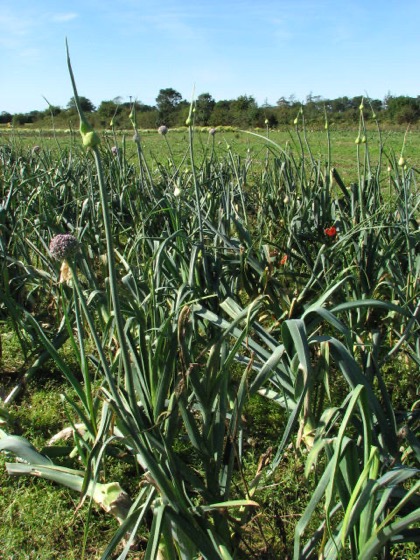
Leek
Allium porrum
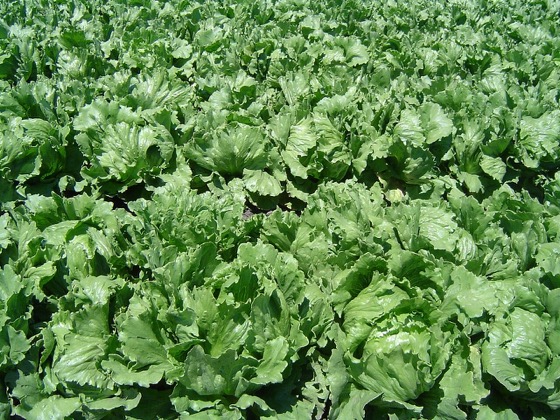
Lettuce
Lactuca sativa
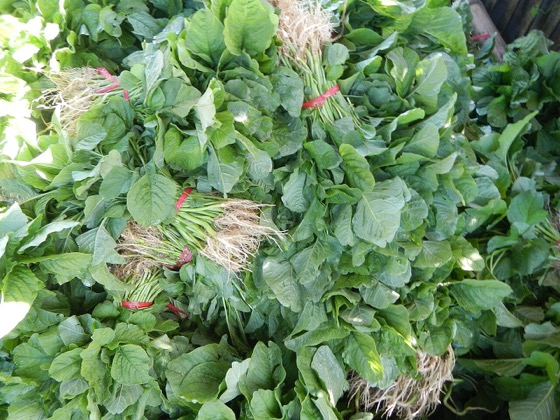
Spinach
Spinacia oleracea
Lamb's lettuce (corn salad)
Valerianella locusta